World · World News Bureau
Kashmir's Dal Lake battles pollution, construction and climate crisis
Kashmir's iconic Dal Lake faces mounting environmental pressures from pollution, unregulated development and climate change, threatening the fragile ecosystem that supports the region's tourism industry and local communities.
LSN World News ·
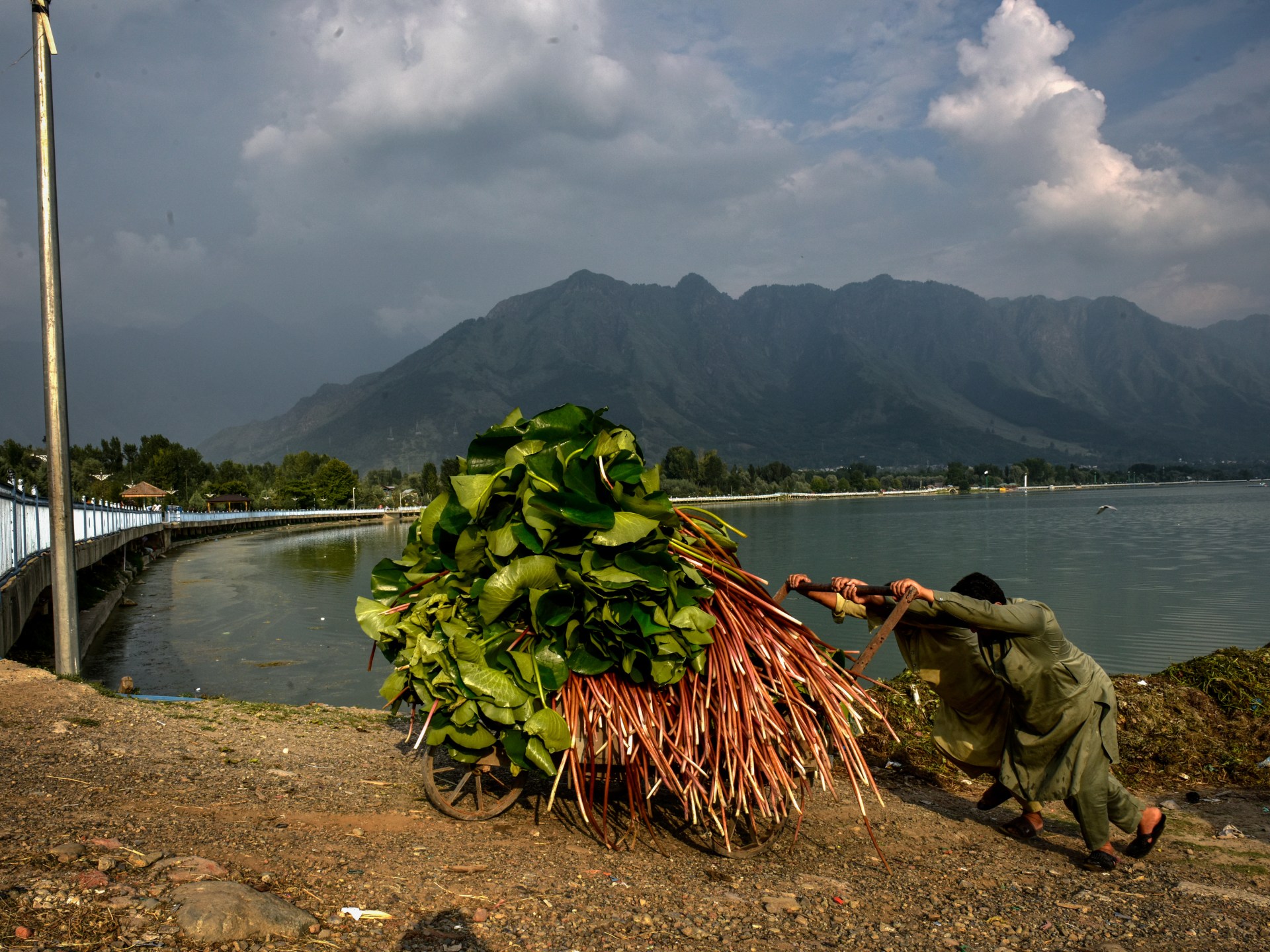
Dal Lake, one of South Asia's most recognizable water bodies, is experiencing accelerating ecological deterioration as multiple environmental stressors converge on the Kashmir valley. The 22-square-kilometre lake, famous for its houseboats and floating gardens, has become a flashpoint for environmental concerns as pollution levels rise and construction projects continue with minimal oversight.
Water quality has become a critical issue, with industrial waste, sewage and agricultural runoff contaminating the lake's waters. Simultaneously, unregulated building projects in surrounding areas have encroached on the lake's margins and contributed to sedimentation that reduces water depth and damages the ecosystem. Local authorities have struggled to enforce environmental regulations effectively despite repeated warnings from environmental groups.
Climate change compounds these challenges, with shifting rainfall patterns and rising temperatures affecting water levels and aquatic life. The lake's traditional floating gardens, known as 'gardens,' have become increasingly difficult to maintain as environmental conditions deteriorate. Scientists warn that without immediate intervention, the lake could face irreversible damage within decades.
The degradation of Dal Lake carries significant implications for Kashmir's economy, as the tourism sector depends heavily on the water body's scenic appeal. Local communities reliant on fishing and agriculture tied to the lake face declining livelihoods as water quality worsens. Regional authorities have announced plans for restoration initiatives, though environmental experts emphasize that comprehensive policy implementation and enforcement remain essential to reversing current trends.