Technology · World News Bureau
Kawasaki Heavy Industries targets fully autonomous humanoid robot by 2030
Japan's industrial giant Kawasaki Heavy Industries has set an ambitious timeline to develop a fully autonomous humanoid robot within the next six years. The company aims to advance artificial intelligence capabilities to enable robots to operate independently without human intervention.
LSN World News ·
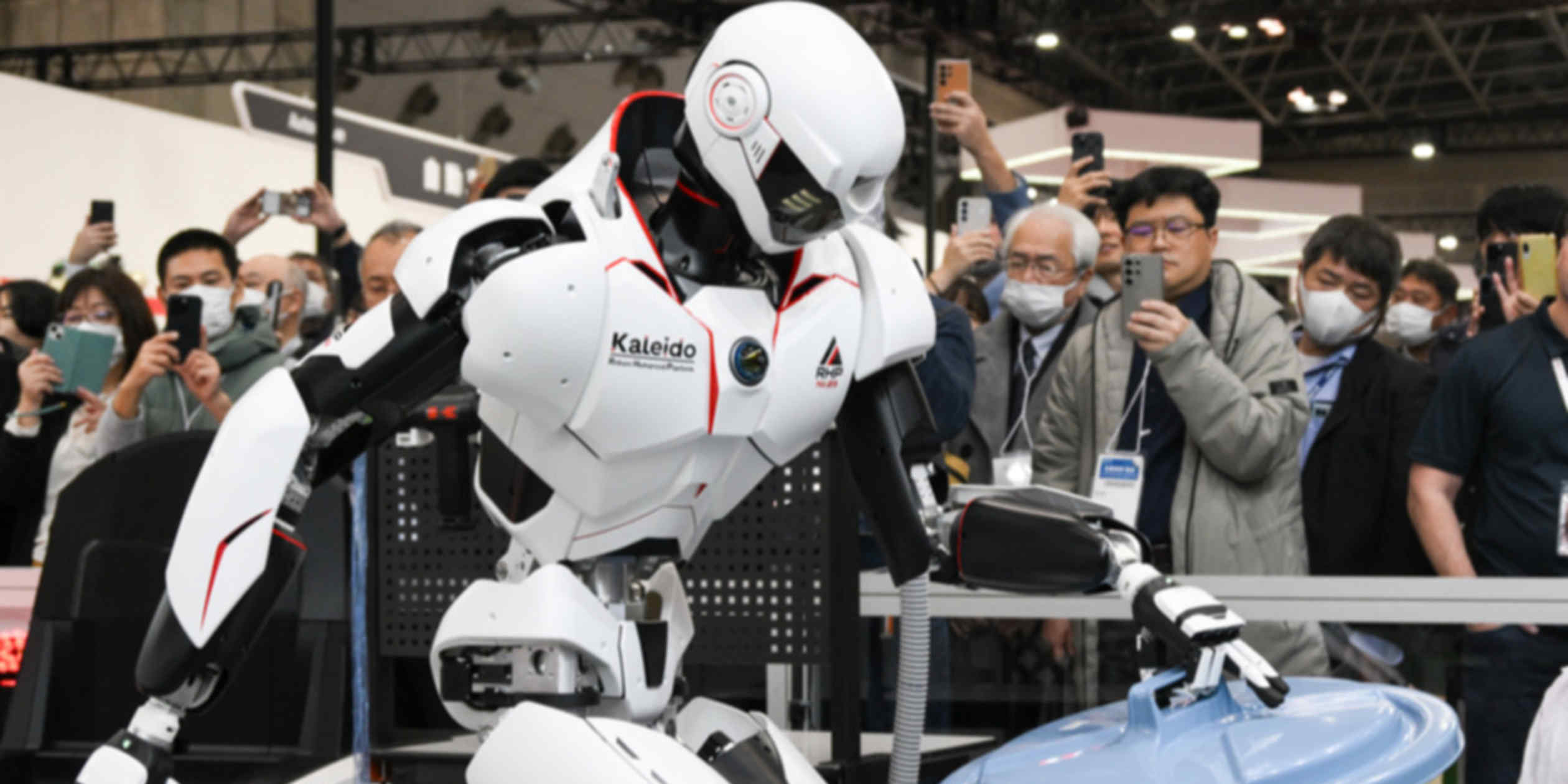
Kawasaki Heavy Industries, one of Japan's leading machinery manufacturers, is accelerating its robotics research program with plans to achieve a fully autonomous humanoid AI robot by 2030. The Tokyo-based conglomerate has historically focused on industrial automation and manufacturing robots, but is now broadening its scope to develop robots capable of complex decision-making and autonomous operation.
The push toward autonomous humanoid robots reflects broader industry trends across Japan and globally, where manufacturers are investing heavily in robotics to address labor shortages and improve workplace efficiency. Kawasaki's timeline aligns with similar initiatives underway at competing firms and research institutions seeking to create machines that can adapt to dynamic environments without constant human guidance.
Developing a fully autonomous humanoid robot presents significant technical challenges, including advanced artificial intelligence, natural language processing, computer vision, and mechanical dexterity. Kawasaki's research and development efforts will likely focus on these core competencies to bridge the gap between current semi-autonomous systems and true autonomous operation.
The company's commitment to this goal underscores Japan's continued emphasis on robotics innovation as a potential solution to demographic challenges and economic competitiveness in the coming decade. Success in this domain could position Kawasaki as a leader in next-generation robotic systems for industrial, commercial, and potentially consumer applications.