World · India Bureau
Kaziranga's One-Horned Rhinos Face Development Pressures
Kaziranga National Park in Assam hosts nearly two-thirds of the world's one-horned rhinoceros population, making conservation efforts critical as development interests encroach on the UNESCO World Heritage site.
LSN India ·
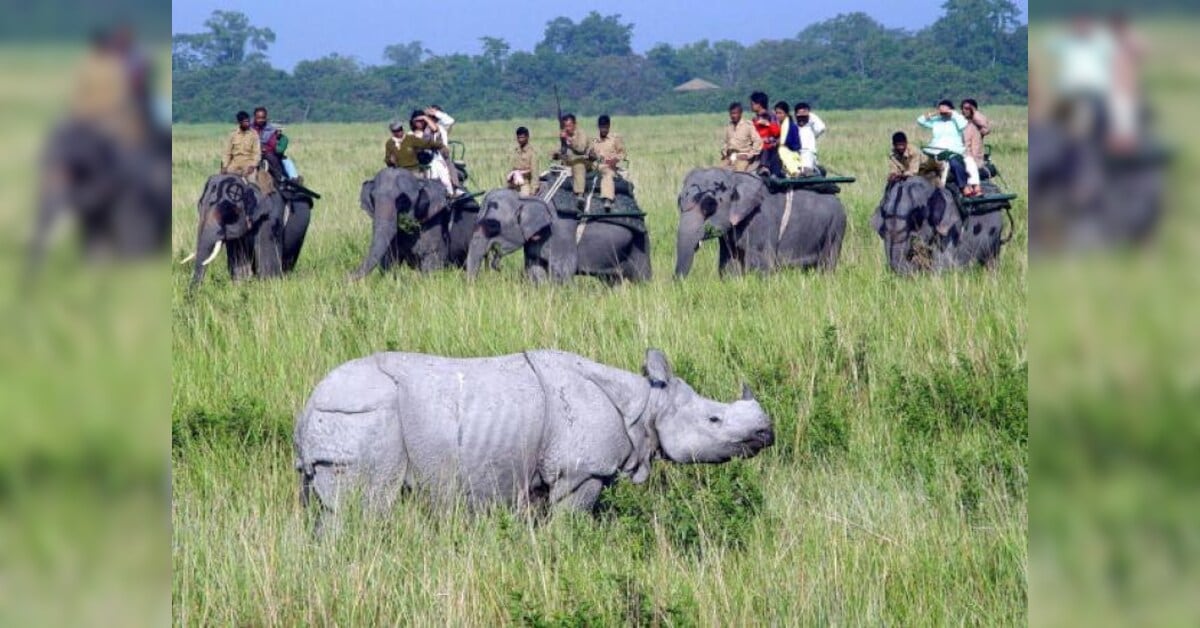
Kaziranga National Park stands as a global stronghold for one of the world's most endangered large mammals. With a population of 2,613 one-horned rhinoceroses, the Assam-based reserve accounts for approximately two-thirds of the entire world population of this species, underscoring its irreplaceable conservation value.
The park's significance extends beyond its role as a sanctuary for rhinos. As a UNESCO World Heritage site, Kaziranga represents one of Asia's most important wetland ecosystems, supporting diverse flora and fauna across its expansive terrain in northeastern India. The concentration of such a substantial proportion of an endangered species in a single location, however, presents both opportunities and vulnerabilities for long-term species preservation.
Conservation efforts at Kaziranga have yielded measurable successes in recent decades, with the rhino population showing resilience through dedicated protection programmes and habitat management. However, the reserve faces mounting external pressures as surrounding regions experience economic development and infrastructure expansion.
The tension between developmental aspirations and wildlife preservation remains a defining challenge for the region. Stakeholders continue to grapple with balancing local economic interests against the imperative to safeguard one of the planet's most distinctive species and the delicate ecosystems upon which it depends.