Technology · India Bureau
Kentucky farmer deploys autonomous tractors to revive century-old family agriculture
Facing severe drought conditions that crippled crop yields, an eighth-generation Kentucky farmer is turning to autonomous tractor technology to breathe new life into his family's 245-year-old agricultural operation. The adoption of self-driving farm equipment is helping restore productivity while addressing persistent labour shortages.
LSN India ·
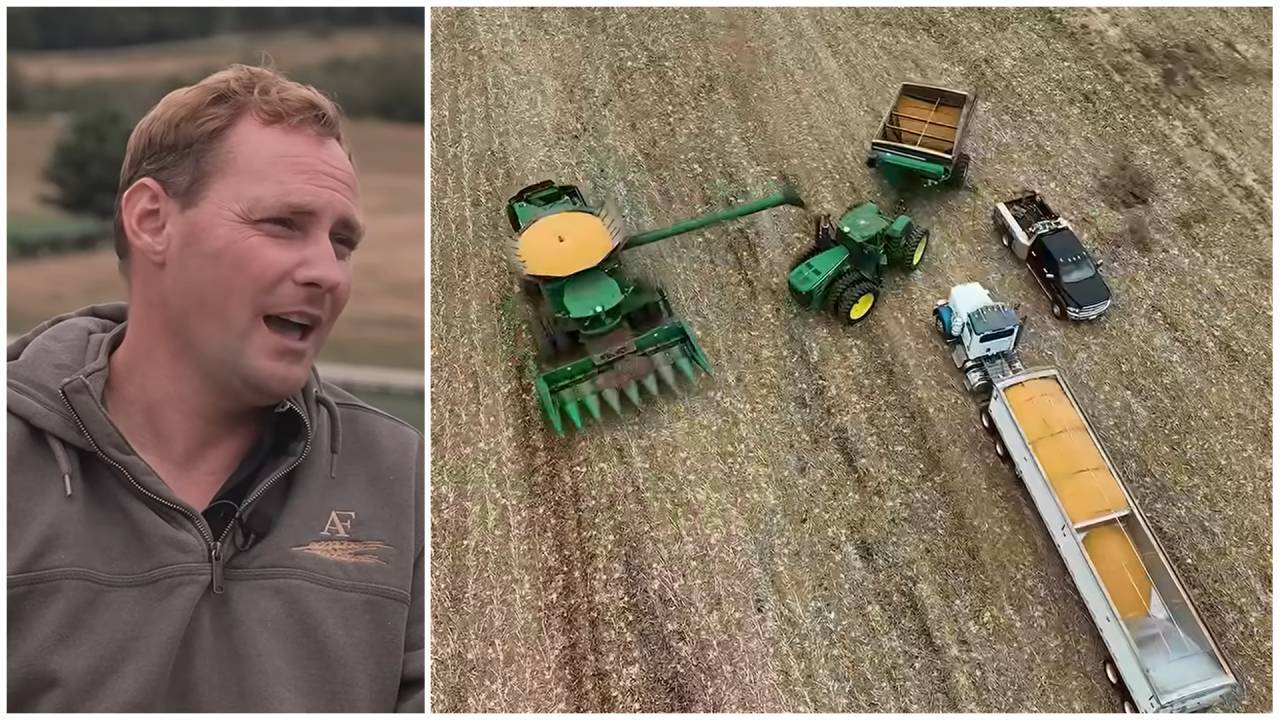
Quint Pottinger represents a growing wave of American farmers embracing automation to sustain multi-generational family enterprises. After three consecutive years of drought devastated his yields—dropping to between 100 and 130 bushels per acre—Pottinger recognised that traditional farming methods alone could not secure his operation's future.
The Kentucky-based eighth-generation farmer has implemented autonomous tractors across 800 acres of his property, enabling him to cultivate both primary crops and cover crops simultaneously. The technology addresses two critical challenges facing modern American agriculture: recovering productivity lost to climate stress and managing labour availability in rural regions.
Autonomous farming equipment has gained traction in the United States as agricultural operations seek efficiency gains amid rising operational costs and workforce constraints. By deploying GPS-guided and self-driving machinery, farmers can optimise planting schedules, reduce fuel consumption, and maintain land management practices that might otherwise prove economically unfeasible.
Pottinger's adoption of autonomous technology underscores a broader transformation in agricultural practice, where precision farming and automation serve as complementary tools to traditional knowledge and stewardship. The integration of such systems with cover cropping strategies—designed to improve soil health and resilience—suggests a model potentially applicable to farming communities across multiple regions facing similar environmental and economic pressures.