Business · World News Bureau
Kenya's Long-Running Dispute With Tata Chemicals Reaches Critical Point
A century-old soda ash operation in Magadi faces mounting pressure from Kenyan authorities over regulatory compliance, employment practices and local benefit-sharing arrangements. The confrontation highlights broader tensions between foreign investors and resource-rich communities across East Africa.
LSN World News ·
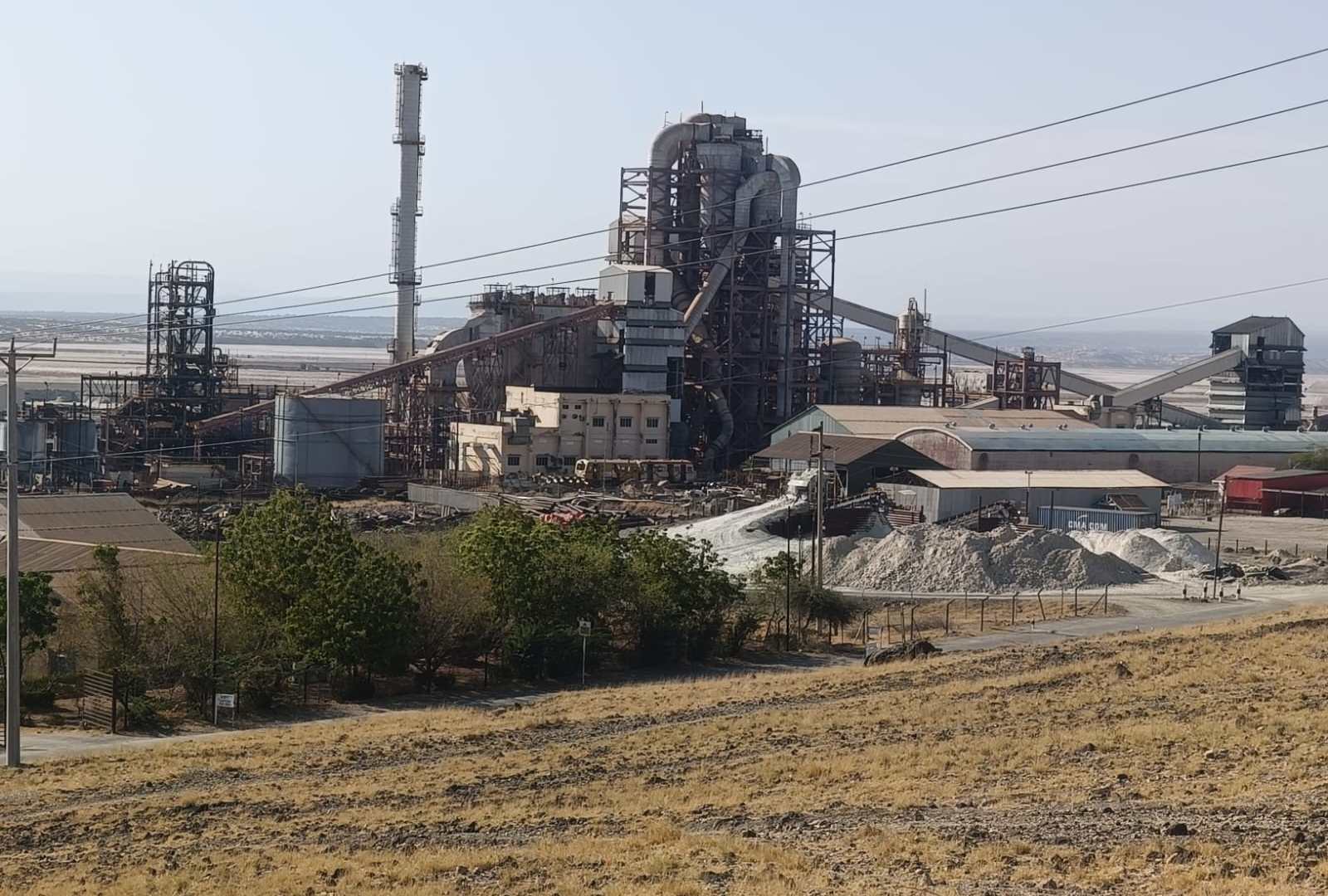
Tata Chemicals' operations in Magadi, Kenya, have become the focal point of a deepening dispute between the multinational corporation and local stakeholders demanding greater accountability and community benefits. The facility, which has operated for roughly a century, now faces scrutiny from Kenyan regulators questioning its compliance with environmental standards, labor practices and obligations to surrounding communities.
The conflict reflects longstanding grievances over how the industrial soda ash operation distributes its economic benefits and manages its impact on the region. Local officials and community representatives argue the company has not adequately addressed employment concerns or provided sufficient returns to the areas where it extracts valuable minerals. These complaints have gained traction with Kenya's government, which is increasingly asserting control over how foreign companies utilize the nation's natural resources.
Tata Chemicals maintains a significant presence in the Magadi region, where it has historically dominated the soda ash industry. However, the company now faces pressure to renegotiate the terms of its operations, potentially including enhanced local hiring requirements, improved environmental safeguards and increased financial contributions to surrounding communities. Industry observers note the dispute carries implications for how Kenya manages relationships with major foreign investors across its mining and extractive sectors.
The standoff remains unresolved as negotiations continue between company officials and Kenyan authorities. The outcome could reshape how multinational corporations operating in East Africa balance shareholder interests with local development demands and regulatory requirements. Similar tensions have emerged across the region as governments increasingly prioritize community welfare and resource sovereignty alongside foreign investment.