World · India Bureau
Kerala cardamom growers' chemical cocktails threaten crop health and pollinators
Intensive pesticide mixing practices driven by year-round harvesting cycles are undermining cardamom plant resilience and damaging critical pollinator populations in Kerala's spice-growing regions.
LSN India ·
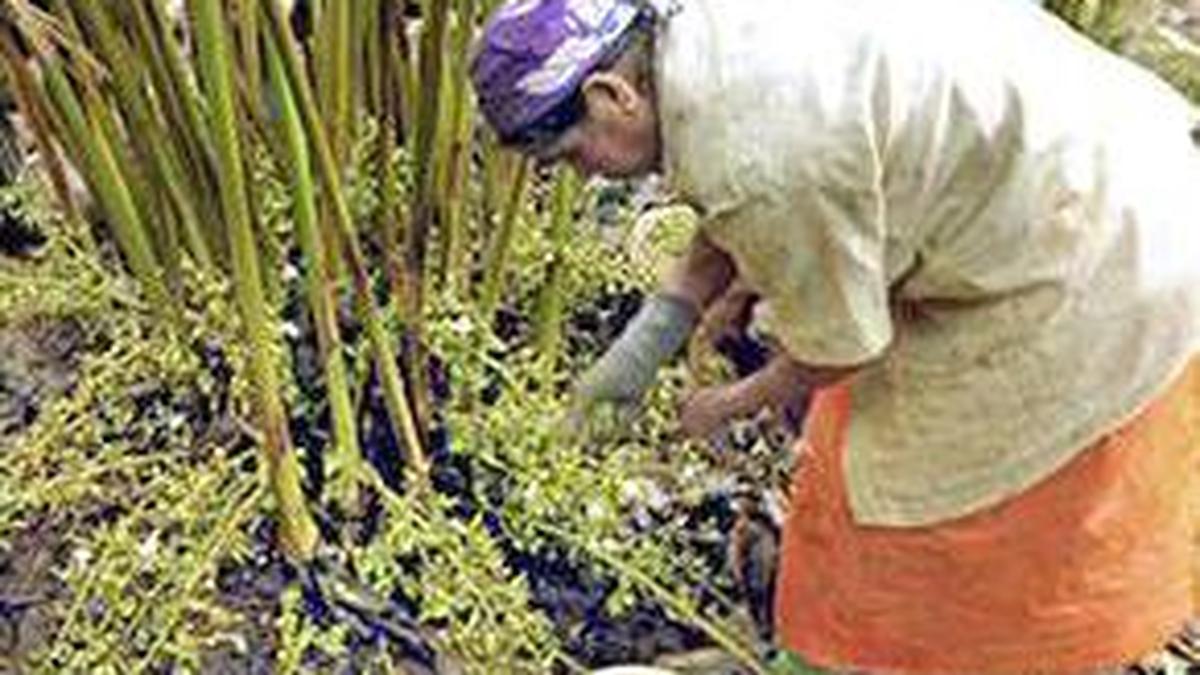
Kerala's cardamom cultivators are increasingly combining multiple agrochemicals in single applications to manage the pressures of continuous harvesting cycles, a practice that agricultural experts warn poses significant risks to crop viability and ecological balance.
Growers are reportedly mixing up to five or six different products—including insecticides, fungicides, micronutrients, and growth promoters—into single spray tanks. This chemical combination strategy, often termed 'tank cocktails' by agricultural specialists, has become common as warming temperatures extend the productive season and create year-round pest and disease management demands.
However, researchers caution that such intensive chemical blending may produce counterintuitive results. Rather than strengthening plants, these compound applications can actually weaken cardamom's natural defences, increasing vulnerability to disease while simultaneously harming beneficial insects essential for pollination and ecosystem function.
The practice highlights a growing tension in Kerala's cardamom sector between maximizing short-term yields and maintaining long-term agricultural sustainability. Experts suggest that more targeted, sustainable pest management approaches may offer better outcomes for both plant health and the broader farming ecosystem that supports the spice industry.