Politics · India Bureau
Kerala CM Draws on Chanakya's Arthashastra for Tax Policy Framework
Kerala Chief Minister Pinarayi Vijayan has referenced ancient economic principles from Chanakya's Arthashastra to articulate the state's taxation approach. The CM indicated he had consistently drawn upon these classical concepts during his tenure as legislator and applied them following his assumption of the finance portfolio.
LSN India ·
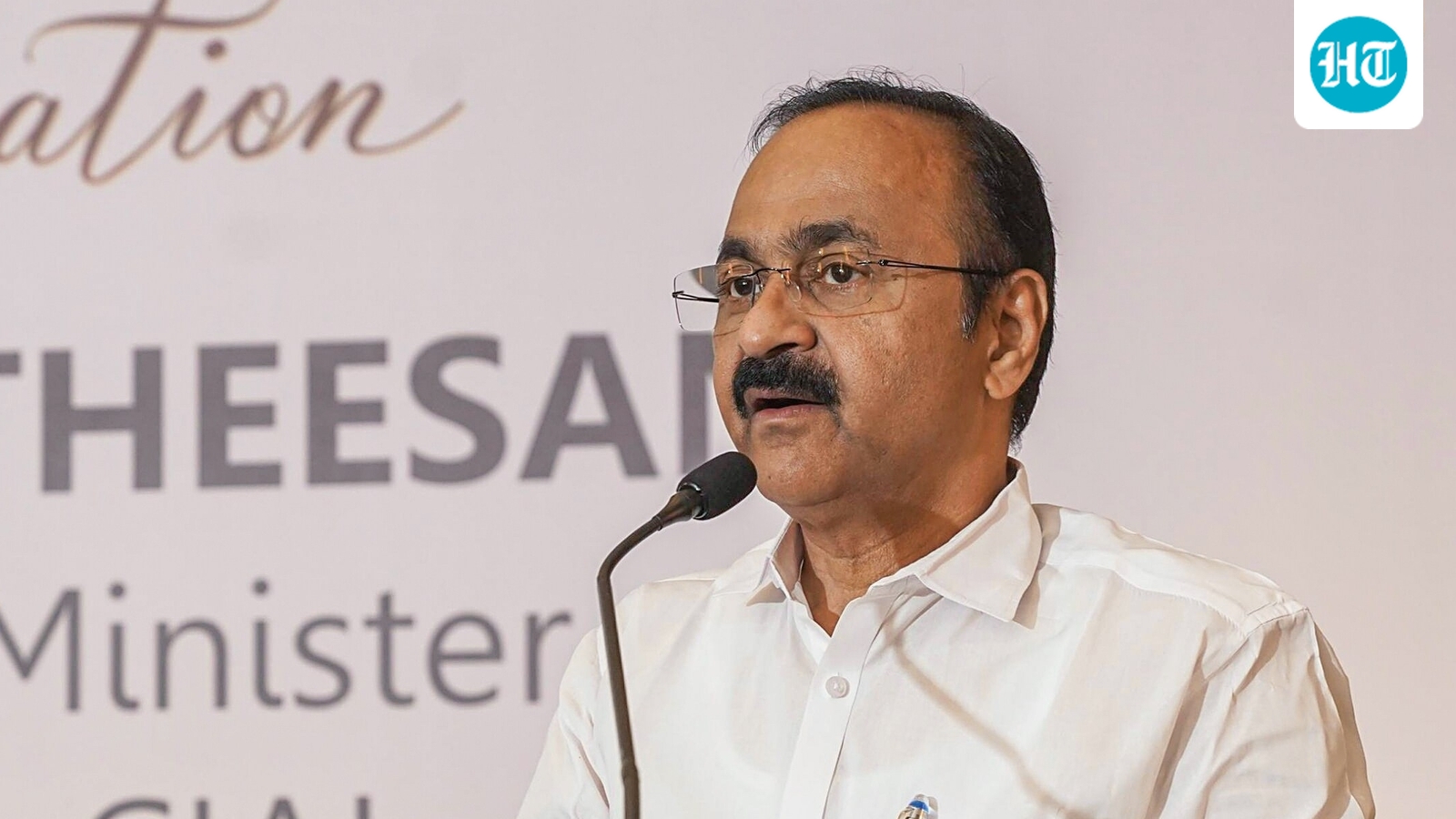
In articulating Kerala's fiscal strategy, Chief Minister Pinarayi Vijayan invoked the time-tested economic wisdom contained in Chanakya's Arthashastra, the ancient Sanskrit treatise on statecraft and economics. The reference underscores the government's attempt to ground contemporary policy decisions in classical Indian administrative thought.
Speaking on the state's tax framework, Vijayan noted that the principles he cited from the fourth-century text had long informed his approach to governance. He stated that these concepts had been central to his pronouncements during his legislative career and subsequently guided his policy formulation after taking charge of the finance portfolio.
The Arthashastra, attributed to Kautilya or Chanakya, the chief advisor to the Mauryan emperor Ashoka, provides detailed guidance on taxation, revenue collection, and fiscal management. By invoking these principles, the Kerala government appears to be positioning its economic policies within a framework of traditional Indian governance models.
The chief minister's invocation reflects a broader trend among Indian political leaders of drawing upon classical texts to legitimize contemporary policy decisions. Whether such references translate into substantive shifts in Kerala's tax administration remains to be assessed through implementation and outcomes.