World · India Bureau
Kerala Governor's vegetarian diet policy reignites food politics debate
The newly appointed Governor of Kerala has prohibited non-vegetarian cooking at the official residence, drawing scrutiny over dietary practices and their role in state governance. The move has revived discussions on food choices and administrative policy in the southern state.
LSN India ·
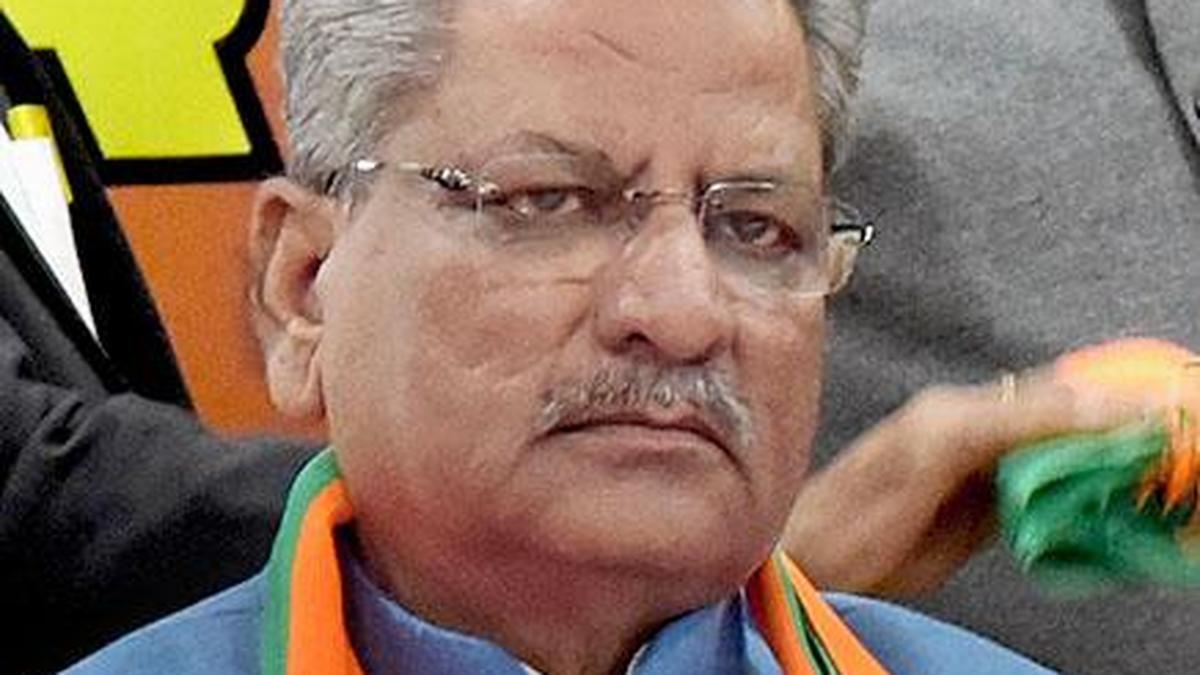
Om Prakash Mathur, the recently appointed Governor of Kerala, has implemented a ban on non-vegetarian food preparation in the Lok Bhavan kitchen, the official residence of the state's chief executive. The decision, rooted in Mathur's personal vegetarian practices followed since his time in Rajasthan, has become the focal point of a broader conversation about dietary preferences and their place in public administration.
The prohibition has sparked considerable debate among political observers and civil society groups in Kerala, a state with diverse culinary traditions and a significant non-vegetarian population. Critics argue that such policies reflect individual lifestyle choices being imposed through official administrative machinery, raising questions about the secular nature of state institutions.
Kerala's political landscape has long been sensitive to issues of food culture, with dietary practices often intersecting with broader debates on tradition, religion, and regional identity. The Governor's directive has prompted discussions about the distinction between personal preferences and official policy, with various stakeholders questioning whether such decisions align with the inclusive ethos expected of constitutional positions.
The controversy underscores the ongoing tension in Indian public life between individual convictions and institutional neutrality. As the state navigates this matter, observers are watching closely to see whether the administration clarifies the scope and rationale behind the policy, and whether it signals broader expectations regarding official conduct in India's diverse federation.