World · India Bureau
Kerala Islamic body defends preacher's directive limiting women's public roles
The Samastha Kerala Jamiyyathul Ulama has pushed back against criticism of a religious scholar's statement restricting women's participation in public activities, asserting that religious leaders have the right to interpret and communicate their faith's teachings.
LSN India ·
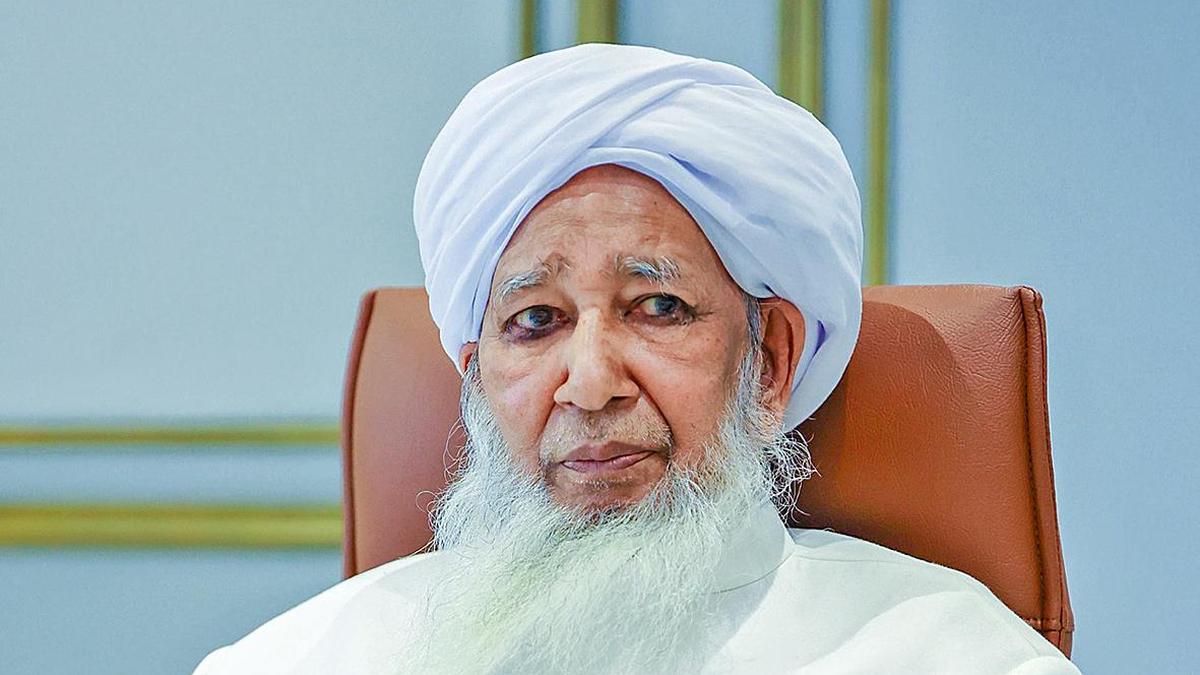
The Samastha Kerala Jamiyyathul Ulama, a prominent Islamic scholarly organization in Kerala, has waded into a growing controversy surrounding directives issued by senior cleric Kanthapuram limiting women's public participation. Syed Mohammed Jifri Muthukoya Thangal, the organization's leader, defended the preacher's statements, arguing that religious scholars should not face criticism for explaining theological positions to their followers.
The dispute has intensified as civil society groups and women's rights advocates have challenged the directive, viewing it as discriminatory and incompatible with constitutional protections. The Samastha's intervention signals deepening divisions within Kerala's Muslim community over the interpretation and application of religious teachings in contemporary society.
Thangal's statement underscores a fundamental tension between religious autonomy and secular governance frameworks in India. While religious organizations assert their prerogative to guide followers on faith-based matters, critics contend that such directives can undermine individual freedoms and gender equality as guaranteed by Indian law.
The controversy reflects broader debates across South Asia regarding the boundaries between religious freedom and social rights, particularly concerning women's agency and public participation. Similar tensions have emerged in other communities and regions, making the Kerala case emblematic of ongoing discussions about pluralism and tradition in modern Indian society.