Politics · India Bureau
Kerala Islamic body issues directive restricting women's public appearances
A prominent Islamic scholars' organisation in Kerala has issued guidance discouraging women from sharing public platforms or spaces with men, citing concerns about social consequences. The directive from the Samastha Kerala Jamiyyathul Ulama has reignited debate over gender roles within religious communities.
LSN India ·
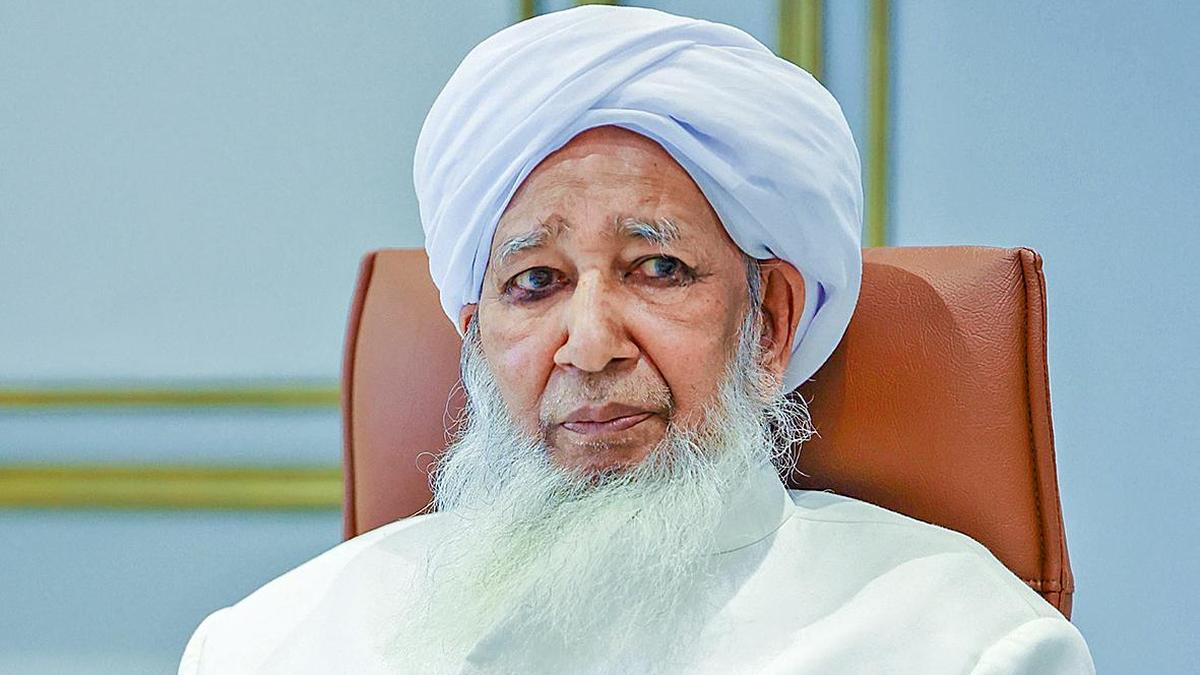
The Samastha Kerala Jamiyyathul Ulama, an influential federation of Islamic scholars, has issued a circular directing women to avoid appearing on shared stages or in public spaces alongside men. The directive was issued by the organisation's president E. Sulaiman Musliar and general secretary Kanthapuram A.P. Aboobacker Musliar, drawing criticism from those advocating for gender equality and women's participation in public life.
The scholars cited concerns that women's public visibility alongside men would result in what they described as 'great destruction,' though the circular did not elaborate on the specific nature of these concerns. The guidance reflects conservative interpretations of Islamic practices regarding gender interaction in public settings.
The directive has stirred controversy in Kerala, a state known for progressive social movements and relatively higher female participation in educational and professional spheres. Activists and women's rights advocates have questioned the relevance and appropriateness of such restrictions in contemporary society, while some conservative groups have defended the guidance as aligned with their religious principles.
The Samastha Kerala Jamiyyathul Ulama represents a significant portion of Islamic scholars and institutions across the state, making its pronouncements influential within certain religious communities. The organisation's latest directive adds to ongoing discussions about the role of religious bodies in shaping social norms and the tension between traditional religious interpretations and modern secular governance in India's pluralistic society.