Politics · India Bureau
Kerala Islamic body's gender restrictions spark political row with CPI(M)
A directive by the Samastha Kerala Jamiyyathul Ulama asking religious institutions to enforce gender segregation during public events has triggered sharp criticism from leftist parties and women's groups in Kerala.
LSN India ·
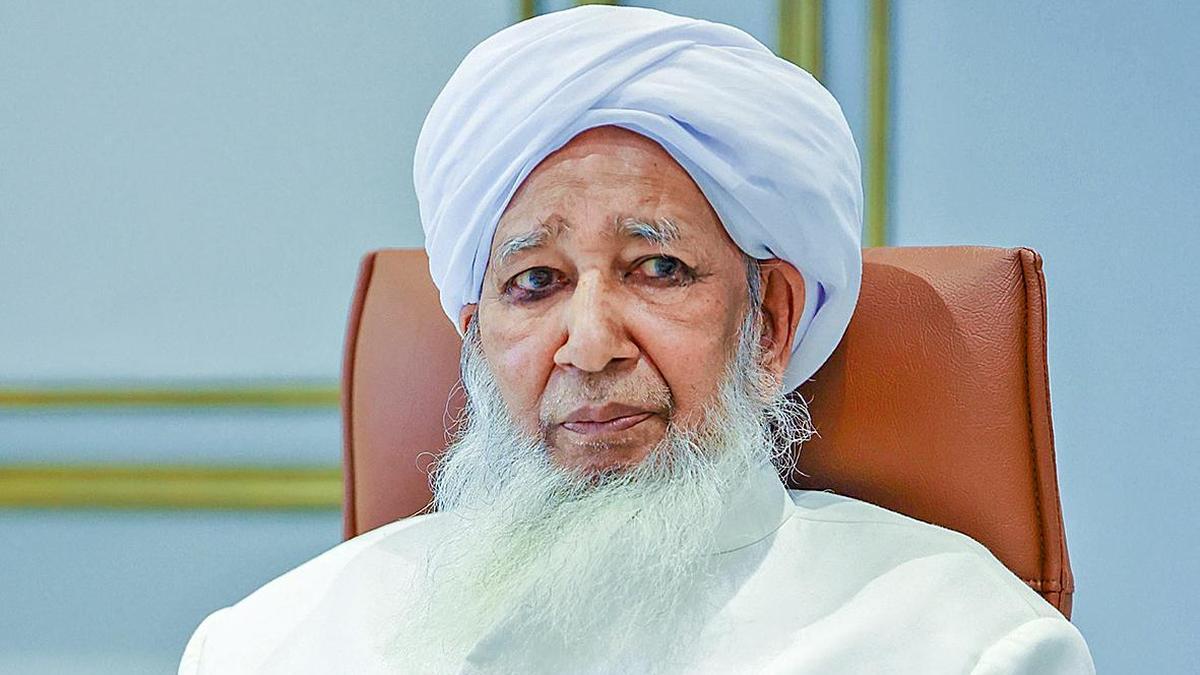
The Kanthapuram-issued circular instructing mosques and madrasas to prevent women from sharing public platforms or stage space with unrelated men during religious celebrations has become a flashpoint between traditional Islamic leadership and secular political forces in the state.
The directive, which applies to religious gatherings and communal events, has drawn strong objections from CPI(M) leaders who argue that such restrictions contradict secular principles and gender equality. Women's rights organisations have similarly condemned the move as a step backward for women's participation in public life.
The controversy has exposed existing tensions between the ruling CPI(M) and conservative religious institutions it has traditionally maintained cooperative relations with in Kerala. The party's secular ideological base has come into direct conflict with the need to maintain communal harmony and religious community support in certain constituencies.
Women's groups and civil society activists have called for clear government statements rejecting the restrictions. They argue that Kerala's progressive reputation is at stake when religious bodies are permitted to dictate terms on women's public participation without institutional pushback.
The incident highlights the ongoing friction between religious traditionalism and secular governance in Kerala, with the CPI(M) facing pressure from its voter base to take a firmer stance on the separation of religious and secular spheres.