World · India Bureau
Kerala launches India's first ecosystem-wide Red List assessment for conservation
Kerala State Biodiversity Board has initiated a groundbreaking Red List Assessment of Ecosystems project, marking the first such comprehensive evaluation in India. The initiative aims to shift conservation strategy from protecting individual species to managing entire landscapes proactively.
LSN India ·
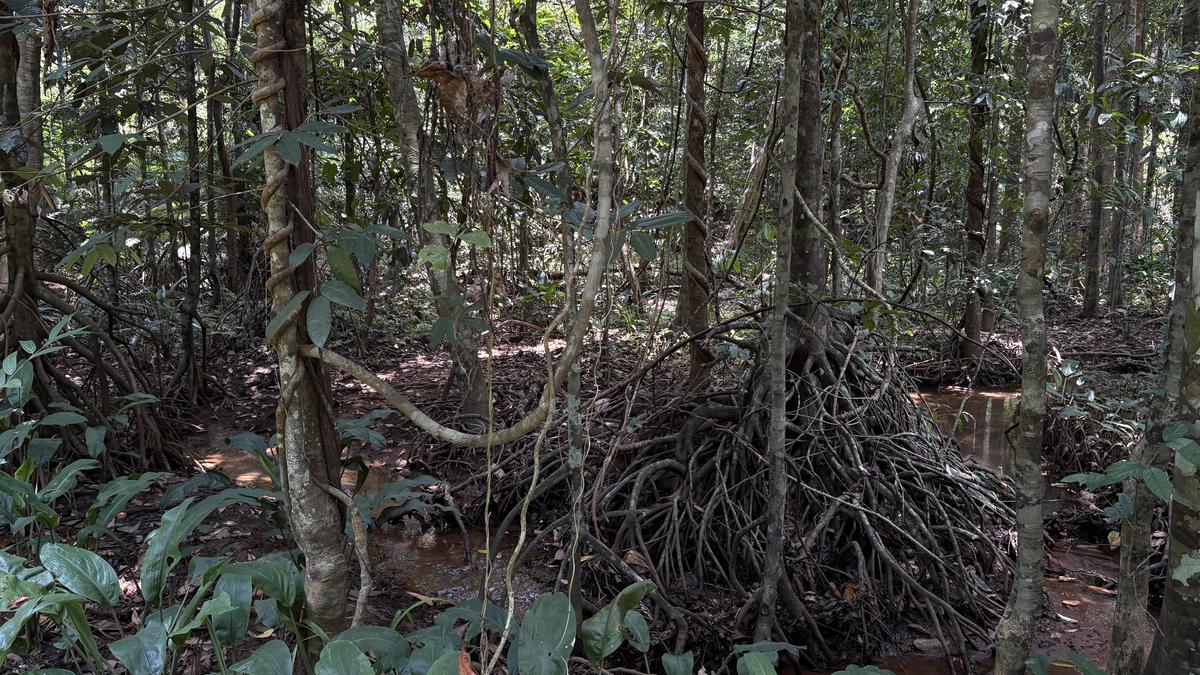
Kerala's move represents a significant departure from traditional conservation approaches that have primarily focused on safeguarding endangered species in isolation. The Kerala State Biodiversity Board's Red List Assessment of Ecosystems project seeks to evaluate the health and vulnerability of entire ecological systems across the state, providing a more holistic framework for environmental protection.
The ecosystem-based approach recognizes that species cannot survive sustainably outside their natural habitats and that protecting biodiversity requires maintaining functional ecosystems at a landscape scale. By assessing ecosystems rather than individual species, the project aims to identify vulnerable habitats that require urgent intervention and prioritize conservation resources more effectively.
This comprehensive assessment methodology offers potential benefits beyond Kerala's borders, as it could serve as a model for other Indian states and regions facing similar biodiversity challenges. The project addresses the growing recognition among conservation experts that isolated species protection efforts often fail without concurrent protection of the broader ecosystems on which they depend.
The initiative aligns with international conservation standards while tailoring assessment criteria to Kerala's unique ecological context, encompassing its diverse Western Ghats forests, wetlands, and coastal ecosystems. By implementing this landscape-wide management approach, Kerala aims to create more resilient and sustainable conservation outcomes that protect multiple species and ecological functions simultaneously.