Politics · India Bureau
Kerala must pursue high-tech sectors to stem outward migration, VP says
India's Vice-President has urged Kerala to pivot toward knowledge-based industries to reverse the trend of residents relocating to other states. The southern state's limited land availability makes traditional manufacturing economically unviable, officials argue.
LSN India ·
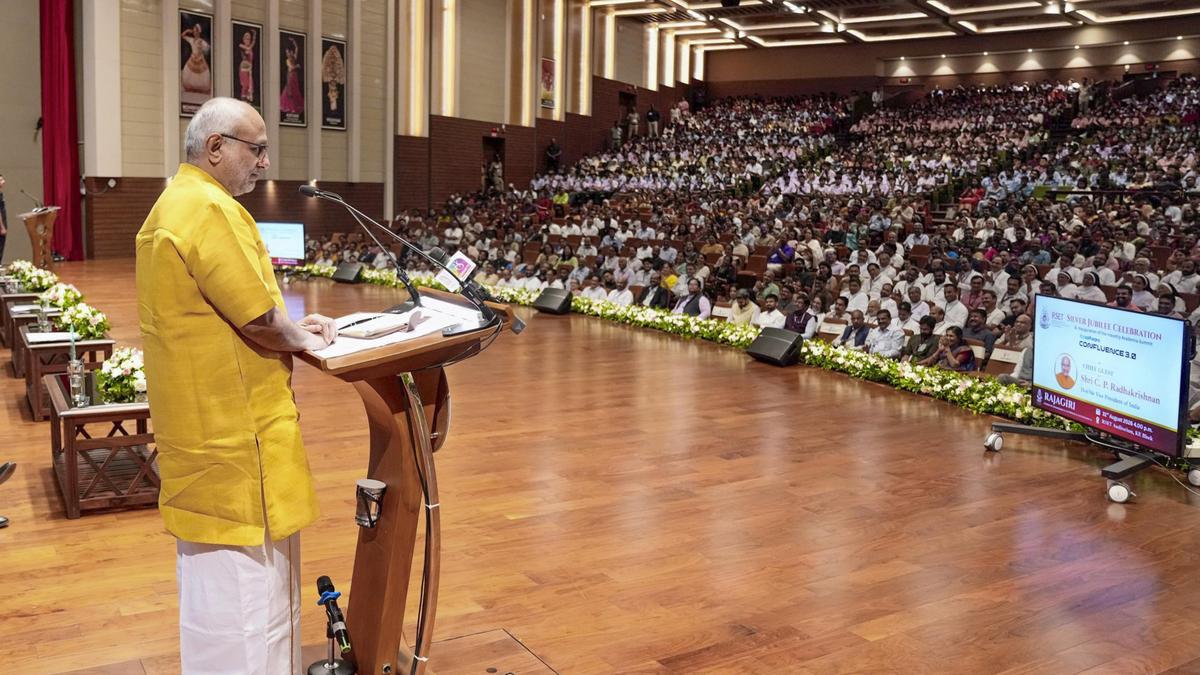
The Vice-President of India has called on Kerala to strategically develop high-technology industries as a means of addressing the state's persistent outward migration problem. The intervention highlights growing concerns about demographic shifts in the southern state, where economic constraints have driven many residents to seek opportunities elsewhere.
According to the Vice-President's remarks, Kerala faces a fundamental challenge rooted in geography and economics. "Land is a scarce commodity in Kerala," the official stated, emphasizing that the state must create fresh opportunities to retain its workforce. The traditional manufacturing sector, which has historically provided employment across India, offers limited prospects in Kerala due to prohibitive land costs.
The focus on technology-driven industries represents a strategic departure from conventional industrial development models. High-tech sectors typically require smaller footprints while generating substantial employment and economic value, making them better suited to Kerala's constrained land availability. Such industries could include information technology, biotechnology, electronics manufacturing, and research-focused enterprises.
The Vice-President's observations underline the policy challenges facing Kerala's administration as the state seeks to maintain its position as a development leader in South Asia. Without targeted investment in sectors aligned with local constraints and comparative advantages, the state risks continued emigration of skilled workers to other Indian states and abroad. Analysts suggest that cultivating a robust technology ecosystem could help Kerala reverse this trend while leveraging its existing advantages in education and infrastructure.