Politics · India Bureau
Kerala needs creative financing to bridge infrastructure gap, says ex-FM
Kerala's accumulated infrastructure deficit cannot be resolved through budgetary allocations alone, according to former Finance Minister T.M. Thomas Isaac. The state requires innovative financing mechanisms to address the long-standing shortfall, he has underscored.
LSN India ·
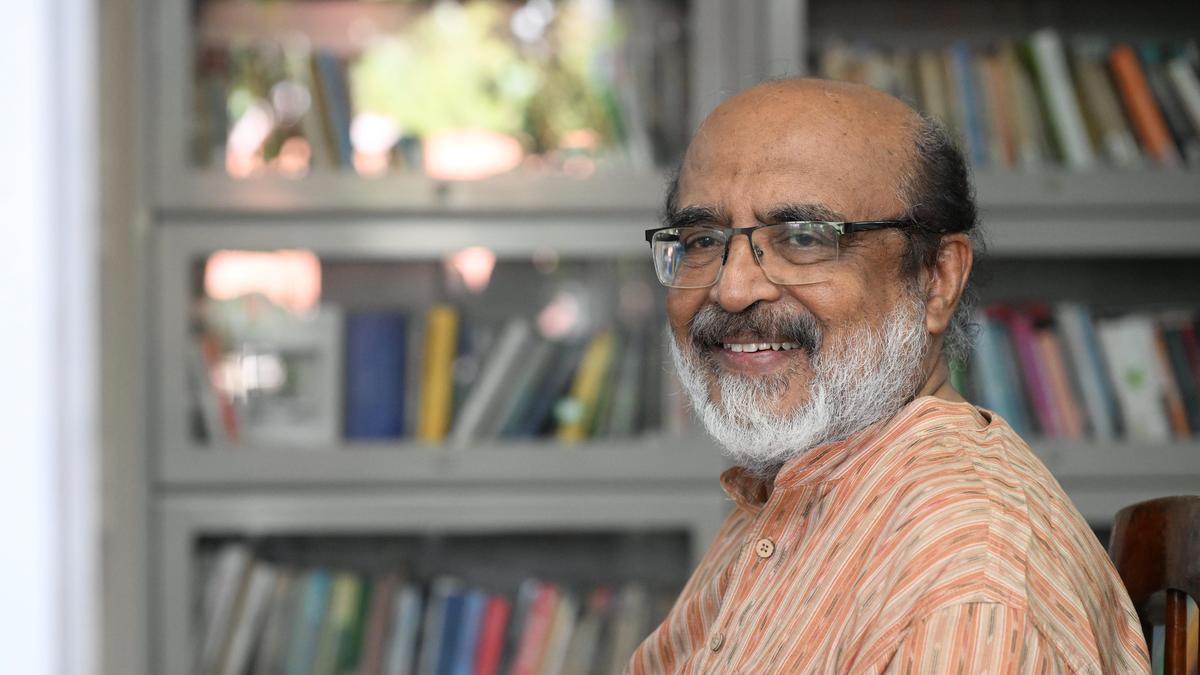
T.M. Thomas Isaac, who previously served as Finance Minister of Kerala, has highlighted the limitations of traditional budgetary approaches in tackling the state's infrastructure challenges. Speaking on the matter, Isaac emphasized that the accumulated gap in infrastructure development has reached a scale that cannot be adequately addressed within a reasonable timeframe using conventional fiscal resources alone.
The former minister has pointed to specialized financing mechanisms as essential tools for bridging this divide. He specifically referenced the Kerala Infrastructure Investment Fund Board (KIIFB) as an example of the type of innovative financing instrument that the state requires to supplement regular budget allocations.
Kerala's infrastructure deficit spans multiple sectors, including transportation, water management, and urban development. The state has grappled with aging systems and inadequate capacity expansion, issues that have accumulated over decades of underinvestment relative to growing demand.
Isaac's assessment underscores the growing consensus among policymakers that states must explore alternative funding models, including development finance institutions and market-based instruments, to complement government budgets. Such mechanisms can mobilize additional capital from institutional investors and international development partners, enabling faster infrastructure modernization and expansion.
The observations come as Kerala continues evaluating its long-term infrastructure strategy, with particular focus on sustainable financing options that do not place excessive burden on the state exchequer while addressing critical development needs.