World · India Bureau
Kerala panel charts decade-long strategy to tackle stray dog crisis
A government-appointed committee in Kerala has proposed a comprehensive 10-year roadmap to address the state's stray dog population, moving away from traditional sterilisation practices toward community-based adoption and institutional partnerships.
LSN India ·
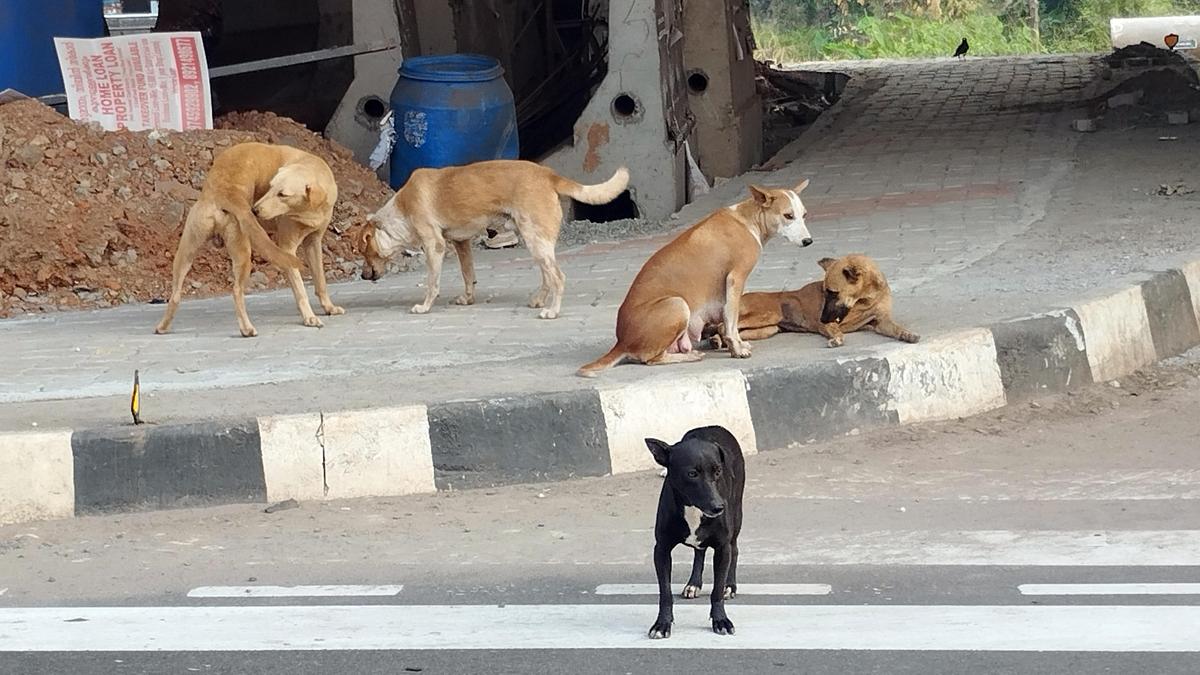
An expert panel in Kerala has recommended a significant policy shift in managing the state's stray dog problem, calling for a move beyond conventional sterilisation-and-release programmes toward a model that emphasises adoption and community responsibility.
The committee has proposed incentivising individual and institutional adoption of street dogs, coupled with scientific waste management strategies to curb population growth. The plan includes provisions for monthly maintenance subsidies to households that adopt adult dogs, aiming to make pet ownership more economically feasible for families.
Institutional adoption features prominently in the roadmap, with the panel suggesting that schools, businesses, and public organisations be encouraged to formally adopt stray dogs and provide them with shelter and care. This approach is intended to distribute the burden of animal welfare across multiple stakeholders rather than relying solely on government resources.
The 10-year strategy addresses waste management as a critical component, recognising that accessible food sources in municipal areas contribute to the proliferation of stray populations. By implementing science-based waste handling systems, the committee believes the street dog population can be naturally reduced over time.
The proposals represent a departure from decades of sterilisation-focused programmes, reflecting evolving perspectives on animal welfare and community participation in addressing urban stray dog challenges across Indian cities.