World · India Bureau
Kerala researchers uncover gut bacteria link to Parkinson's disease
Scientists at two leading Kerala institutions have identified significant differences in gut microbiota between Parkinson's patients and healthy individuals, suggesting a potential connection between bacterial composition and neurological disease.
LSN India ·
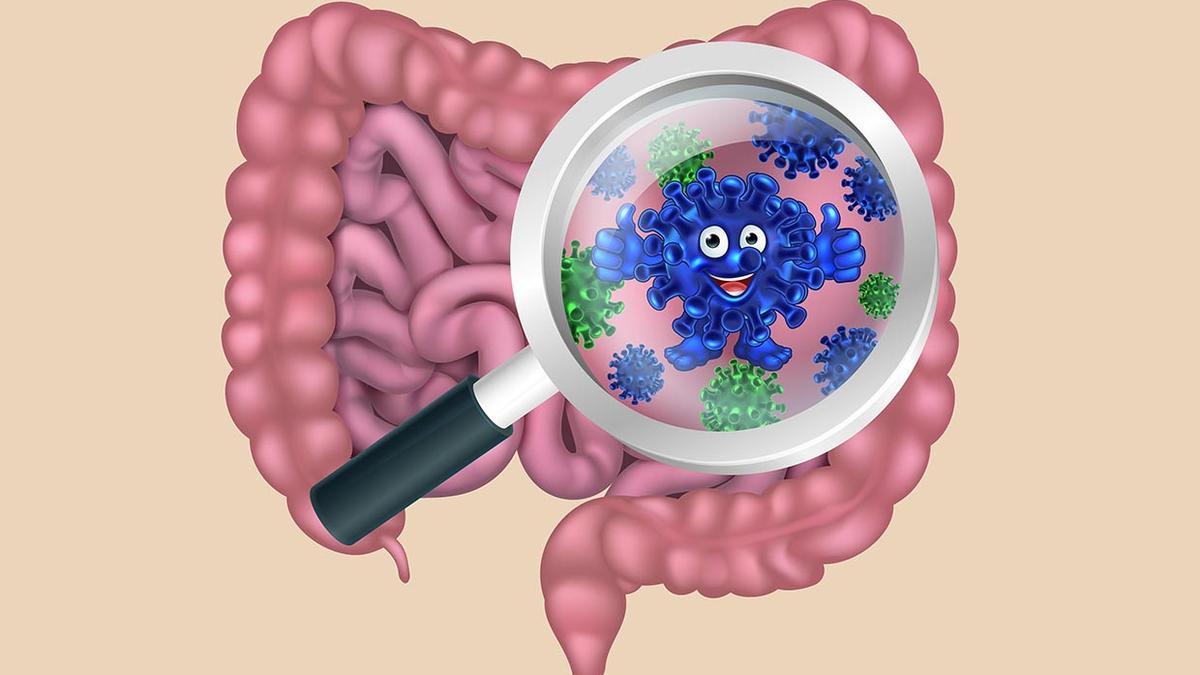
Researchers from Cochin University of Science and Technology (CUSAT) and Sree Chitra Tirunal Institute for Medical Sciences and Technology (SCTIMST) in Thiruvananthapuram have made findings that could reshape understanding of Parkinson's disease pathology. The collaborative study examined gut bacterial populations in both patients with confirmed Parkinson's disease and age-matched healthy control subjects.
The research revealed pronounced variations in the composition of gut microbiota between the two groups, with notable differences in bacterial diversity and species distribution. These findings add to growing international evidence suggesting that disruptions in the gut microbiome may play a role in neurodegenerative diseases, particularly Parkinson's.
The emerging field of microbiome research has increasingly focused on the gut-brain axis, the bidirectional communication system linking gastrointestinal bacteria to central nervous system function. Scientists theorize that alterations in bacterial populations could trigger inflammatory responses or produce metabolic byproducts that influence neurological health.
The Kerala study provides valuable data from a South Asian population, where such research remains limited. The findings may eventually inform new diagnostic approaches or therapeutic strategies targeting gut microbiota to manage or potentially prevent Parkinson's disease progression. Further investigation is expected to clarify the mechanisms underlying these associations and their clinical applications.