Politics · India Bureau
Kerala's elderly face challenges despite silver economy push and new law
While Kerala has championed a silver economy initiative and introduced protective legislation, experts question whether these measures alone can adequately safeguard the state's rapidly aging population. The southern state grapples with ensuring comprehensive welfare and security for its seniors amid demographic shifts.
LSN India ·
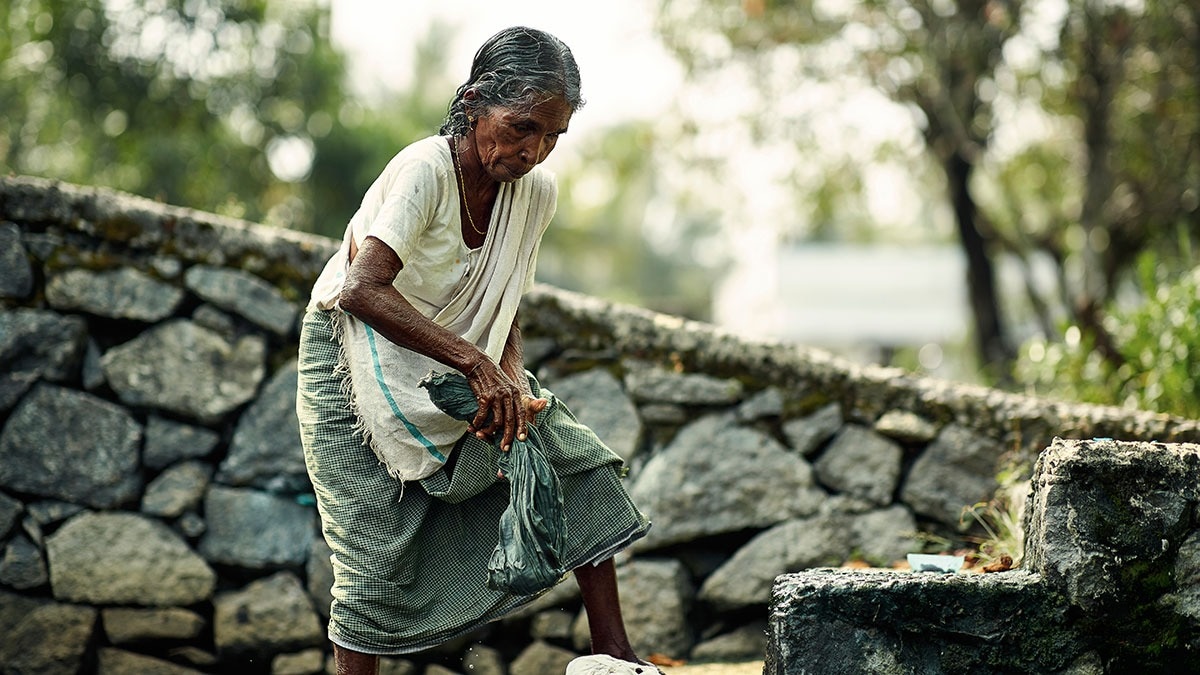
Kerala, home to India's oldest population, is testing whether economic policies and legal frameworks can sufficiently address the vulnerabilities faced by its elderly citizens. The state has promoted the concept of a silver economy—leveraging the spending power and skills of senior citizens—while simultaneously enacting new protective laws. However, advocates and social workers remain skeptical about whether these dual approaches address the deeper systemic challenges confronting the aged.
The state's aging demographic presents both opportunities and challenges. With a significant portion of Kerala's population now aged 60 and above, policymakers have sought to integrate seniors into economic activity rather than relegating them to dependency. The silver economy framework aims to create employment, healthcare services, and consumer goods tailored to elderly needs. Simultaneously, legislation has been introduced to provide legal protections against neglect, abuse, and financial exploitation.
Yet ground-level implementation reveals gaps. Social welfare officials and elderly care advocates point to insufficient enforcement mechanisms, inadequate institutional support systems, and the persistent reality of family-based care arrangements that often leave vulnerable seniors exposed. Many elderly individuals, particularly those without family support or adequate pensions, continue to face precarious living conditions despite legislative protections.
Experts suggest that comprehensive elderly welfare requires integration across multiple sectors—healthcare, housing, social security, and employment—rather than reliance on singular policy interventions. Kerala's approach represents progress, but stakeholders emphasize that sustained investment in eldercare infrastructure and regular review of implementation outcomes remain essential to genuinely protect the state's senior population.