World · India Bureau
Kerala's invasive water lilies pose ecological threat despite tourism boom
A two-year study has revealed that exotic water lilies flourishing in Kerala's Malarikkal wetland since 2018 are causing significant environmental damage, even as they attract visitors and boost local incomes. Ecologists warn the unchecked proliferation threatens native aquatic ecosystems and water quality.
LSN India ·
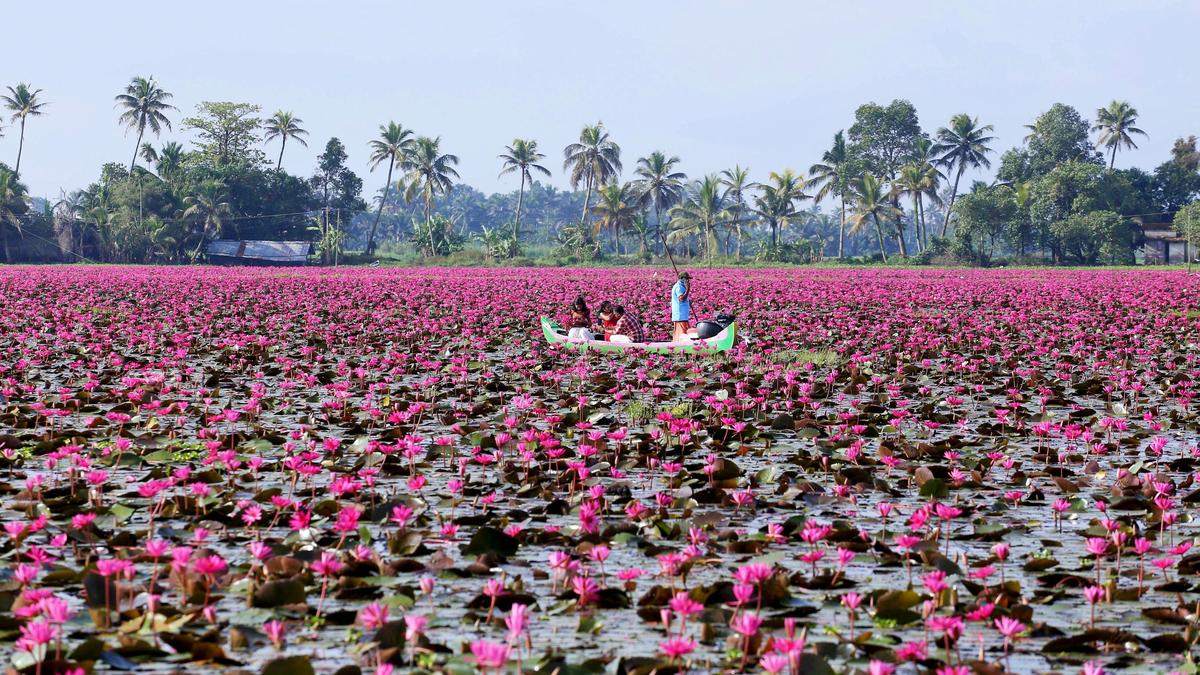
The vibrant pink water lilies that have transformed Malarikkal into a seasonal tourism destination are masking a serious ecological problem, according to research commissioned by the Kerala State Biodiversity Board. The invasive aquatic plants, which appeared following the devastating 2018 floods, have exhibited unprecedented and uncontrolled growth across the wetland.
The two-year study documents multiple environmental concerns linked to the lily bloom. The dense vegetation is smothering native aquatic plants, disrupting water flow patterns, and blocking critical sunlight penetration in the water column. Scientists also flag concerns about methane emissions generated from decomposing plant biomass, contributing to greenhouse gas concentrations in the region.
While the ecological warnings are mounting, the lily phenomenon has created unexpected economic benefits for local communities. The seasonal bloom has turned Malarikkal into a popular tourist attraction, generating additional income streams for farmers, boat operators, and other residents who have capitalized on visitor interest in the picturesque landscape.
The findings present Kerala's environmental authorities with a complex challenge: balancing the conservation imperatives highlighted by the biodiversity study against the economic livelihood gains the lilies have provided to local populations dependent on tourism revenue.