Politics · India Bureau
Kerala's veterinary public health division remains unimplemented despite zoonotic disease risks
A proposed dedicated veterinary public health wing in Kerala, recommended in 2016, has yet to be established despite growing concerns over zoonotic disease transmission. The delay leaves the state's health infrastructure potentially vulnerable to animal-borne disease outbreaks.
LSN India ·
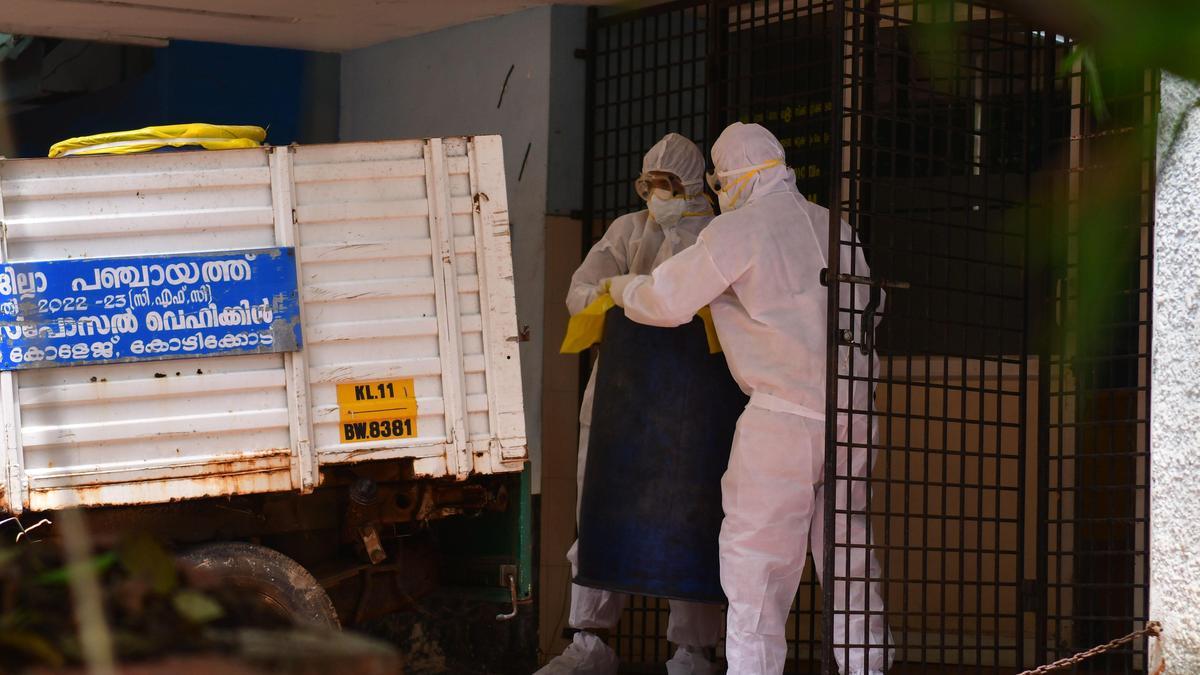
Kerala's government has been slow to implement a dedicated veterinary public health division, nearly a decade after a high-level committee recommended the move. The Gita N. Potty panel, whose recommendations were approved by the Oommen Chandy Cabinet in 2016, had identified the need for a specialized wing to address emerging public health threats linked to animal diseases.
The proposed division was intended to strengthen coordination between animal health and human health sectors, a critical gap in disease surveillance and prevention. Veterinary public health wings play an essential role in detecting and responding to zoonotic diseases—illnesses that spread from animals to humans—before they develop into large-scale outbreaks.
With zoonotic pathogens posing an increasing threat to public health globally, Kerala's delay in establishing the recommended infrastructure raises concerns about the state's preparedness. Experts have emphasized that dedicated veterinary public health units can improve early warning systems and inter-departmental coordination during health emergencies.
The non-implementation of the panel's recommendation highlights ongoing gaps in Kerala's institutional response to evolving disease threats. Officials have not publicly stated reasons for the delay or provided timelines for establishing the wing, leaving questions about resource allocation and administrative priorities in the state's health sector.