World · India Bureau
Kerala theatre production sparks debate over artistic freedom and Emergency legacy
A theatrical staging based on the experiences of a woman during India's Emergency period has ignited a cultural and political controversy in Kerala, with critics questioning artistic choices while supporters defend it as essential commentary on state repression.
LSN India ·
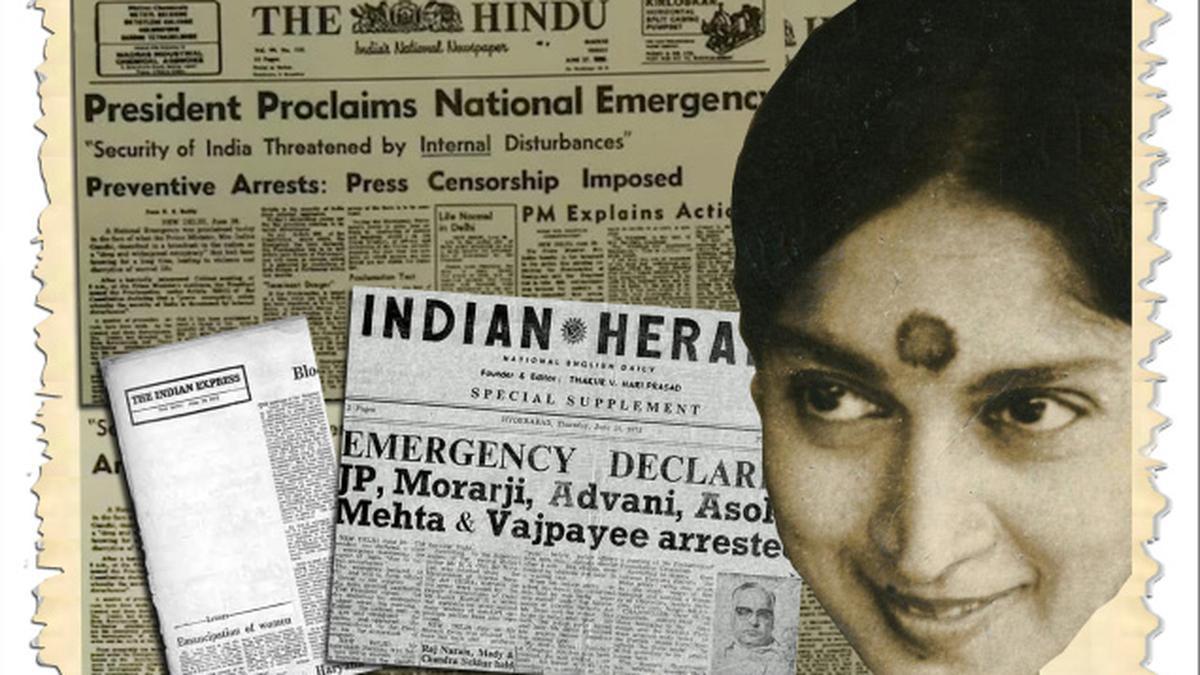
A theatre production centred on the ordeal of Snehalatha Reddy during the 1975-77 Emergency has become the focal point of a larger dispute in Kerala over the boundaries of artistic expression, historical memory and moral propriety.
Opponents of the production, including members of organizations critical of the former Prime Minister Indira Gandhi's Emergency declaration, have objected to what they characterize as obscene elements in the staging, citing concerns about certain costume choices and intense scenes depicted in the performance.
Defenders of the work—including members of the cast, prominent cultural figures and leaders from the Democratic Youth Federation of India—argue that the production serves as a vital artistic examination of state terror and political repression during one of independent India's most controversial periods. They contend that such unflinching theatrical portrayals are necessary to ensure historical reckoning and public understanding of that era.
The controversy reflects broader tensions in Kerala's cultural sphere regarding how artists should represent historical trauma, and whether aesthetic or moral objections should constrain creative interpretation of documented historical events. The debate has drawn attention to competing views about commemorating the Emergency's impact on Indian democracy and those who resisted state overreach during those years.
The production remains at the centre of discussions about the limits of theatrical expression and the responsibility of artists in depicting sensitive historical narratives in contemporary India.