Politics · World News Bureau
Kingmakers: Arab, Ultra-Orthodox Parties Hold Israel's Electoral Balance
Despite facing intense political pressure and public criticism, Israel's Arab-led and ultra-Orthodox factions are positioned to play pivotal roles in government formation following the nation's October 27 elections.
LSN World News ·
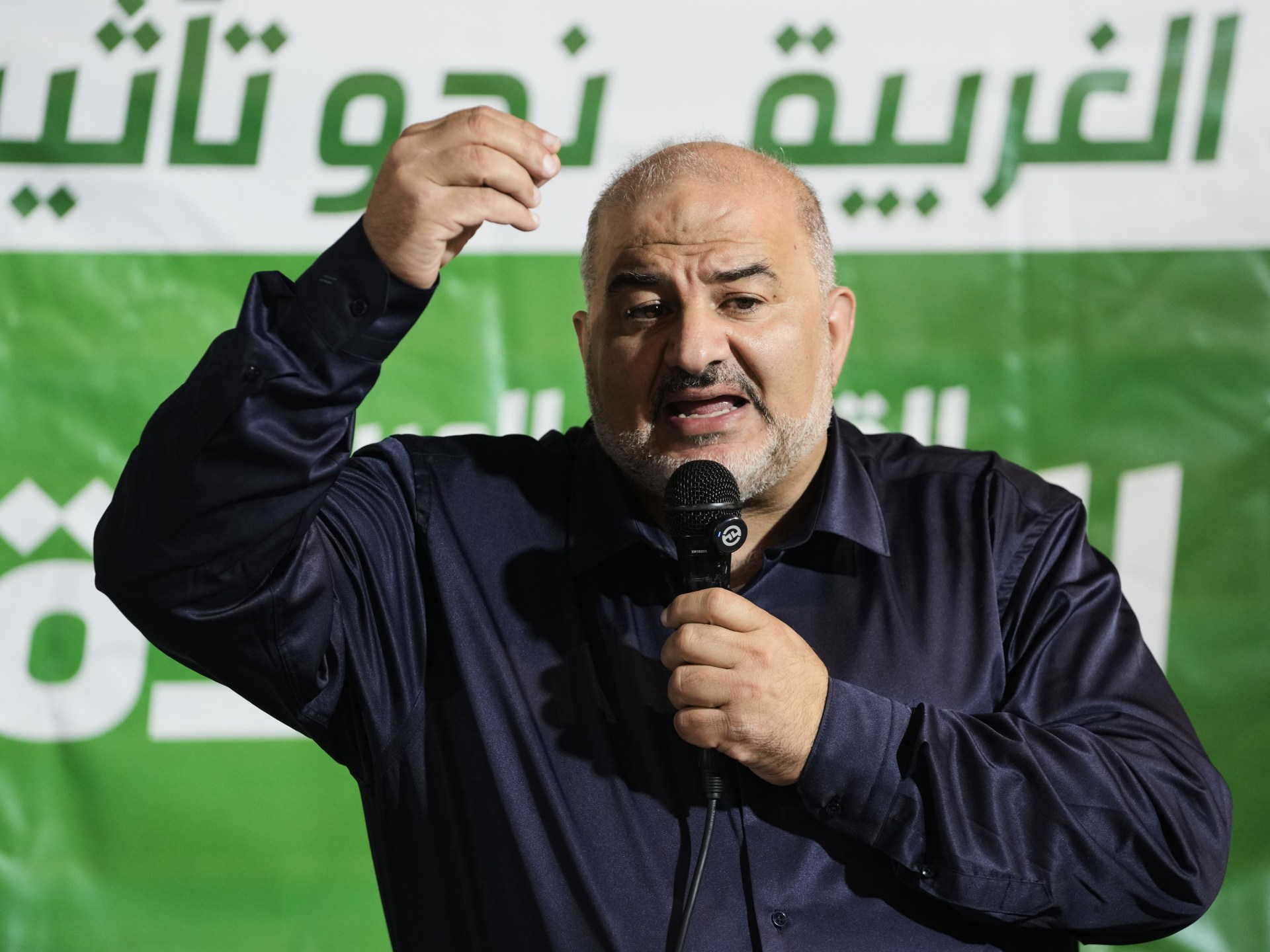
Israel's electoral landscape has long been shaped by coalition dynamics, and the forthcoming vote is unlikely to deviate from this pattern. Arab-led political parties and ultra-Orthodox Jewish factions, while operating at opposite ends of the political spectrum, potentially hold the keys to determining which bloc can secure a governing majority in parliament.
The positioning of these groups as potential kingmakers reflects the fragmented nature of Israeli politics, where no single party typically commands an outright majority. Arab parties, historically sidelined from coalition governments, have increasingly emerged as significant political actors, while ultra-Orthodox parties have maintained traditional influence through their consistent voter mobilization and strategic negotiating power.
Both blocs face considerable headwinds. Arab-led parties contend with systemic marginalization and accusations from right-wing politicians, while ultra-Orthodox parties navigate secular Israeli society's growing frustration over exemptions from military service and welfare considerations. These pressures underscore the tensions underlying Israeli coalition-building.
Whichever major political grouping—left, center, or right—emerges from the elections with the strongest showing will likely need to negotiate with these smaller but strategically positioned parties to assemble a government. The willingness of Arab and ultra-Orthodox factions to enter negotiations, along with their specific policy demands, could prove decisive in determining Israel's political direction for years to come.