World · India Bureau
Kitchen cleanliness and organisation: Vastu tips for household harmony
According to Vastu Shastra principles, certain items should be avoided on kitchen counters to maintain positive energy and prosperity in the home. Experts highlight key practices for keeping cooking spaces clean and well-organised.
LSN India ·
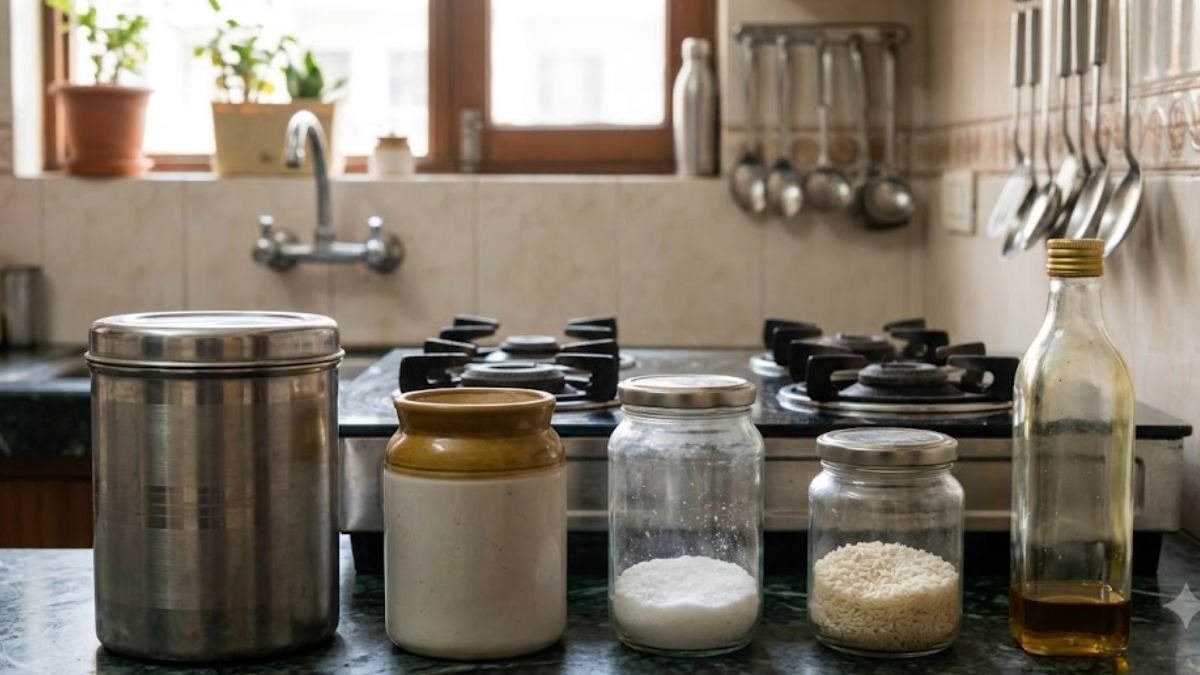
Vastu Shastra, the ancient Indian system of architecture and spatial arrangement, offers guidance on maintaining household spaces for optimal energy flow and well-being. Kitchen organisation features prominently in these traditional principles, with specific recommendations about what should and should not be kept on kitchen counters and slabs.
According to Vastu practitioners, four categories of items should be avoided on kitchen work surfaces: soiled or unwashed dishes, medications and medicines, dirty or soiled clothing, and broken or chipped crockery. Proponents believe that keeping such items in the cooking area can disrupt the positive energy associated with food preparation and family nourishment.
The rationale behind these guidelines emphasises cleanliness and organisation as foundational to household harmony. Dirty dishes left on counters can attract bacteria and insects, while medications stored near food preparation areas pose hygiene concerns. Similarly, soiled clothing and broken vessels are considered symbols of disorder and negativity in traditional Vastu teachings.
Experts recommend designating specific storage areas for medications, keeping dishes washed and stored in cabinets, and storing soiled laundry in designated hampers away from cooking zones. Maintaining broken crockery separately or discarding it entirely is advised to prevent both physical hazards and, according to Vastu principles, negative energy accumulation. These practices support both practical kitchen hygiene and the philosophical foundations of spatial harmony rooted in Indian tradition.