World · Malaysia Bureau
KLIA deploys canine units to enhance security and combat smuggling
Kuala Lumpur International Airport has introduced trained sniffer dog units to bolster security measures across passenger terminals and baggage handling areas. The deployment aims to strengthen efforts against smuggling and illicit goods trafficking at the country's primary aviation hub.
LSN Malaysia ·
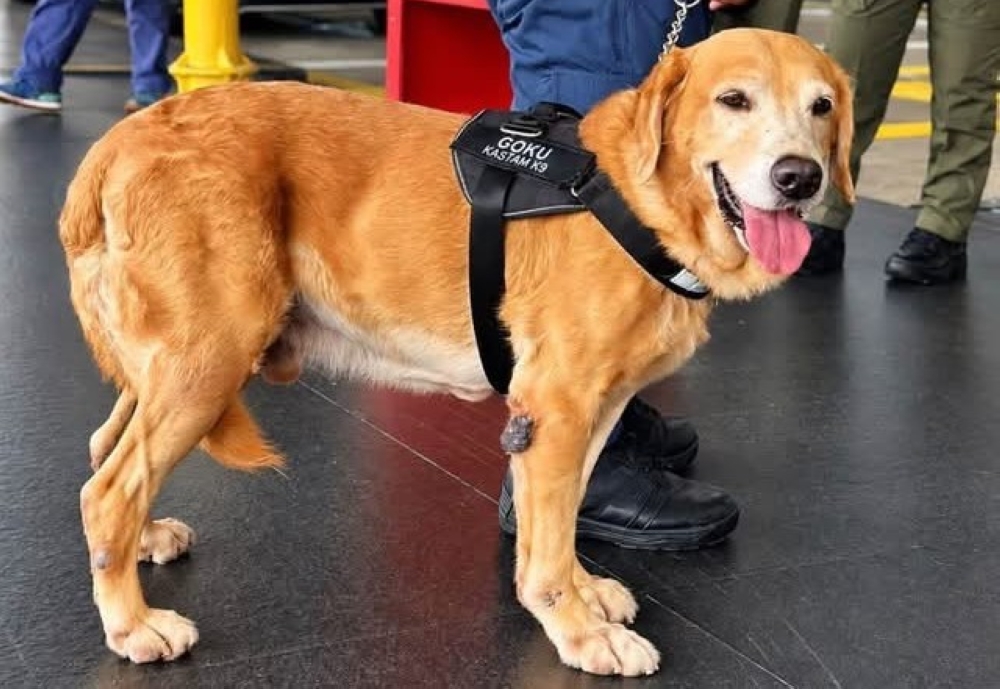
SEPANG — Kuala Lumpur International Airport (KLIA) has activated specially trained canine units to patrol key zones within its passenger terminals and restricted baggage facilities, marking an escalation in the airport's security protocols.
The sniffer dogs, trained to detect narcotics, explosives, and other prohibited substances, will conduct regular patrols across high-traffic areas and screening zones. The initiative forms part of KLIA's broader strategy to fortify defences against smuggling operations and the movement of contraband through the airport.
The deployment addresses growing concerns about trafficking networks exploiting aviation channels. By integrating canine detection capabilities with existing security infrastructure, airport authorities aim to enhance interception rates and deter criminal activity at one of Southeast Asia's busiest aviation facilities.
The dogs will operate alongside conventional security screening measures, including X-ray scanners and manual inspections. The multi-layered approach is designed to create additional checkpoints that would-be smugglers must navigate, thereby increasing detection probabilities.
MAA, the operator of KLIA, stated that the canine units represent an investment in modernising the airport's security framework and strengthening compliance with international aviation security standards.