World · India Bureau
Kochi accident highlights critical shortage of pedestrian pathways
A recent traffic incident in Kakkanad has renewed focus on the absence of dedicated footpaths across Kochi and surrounding areas. Most non-arterial roads in the region lack adequate width to safely accommodate pedestrians alongside vehicular traffic.
LSN India ·
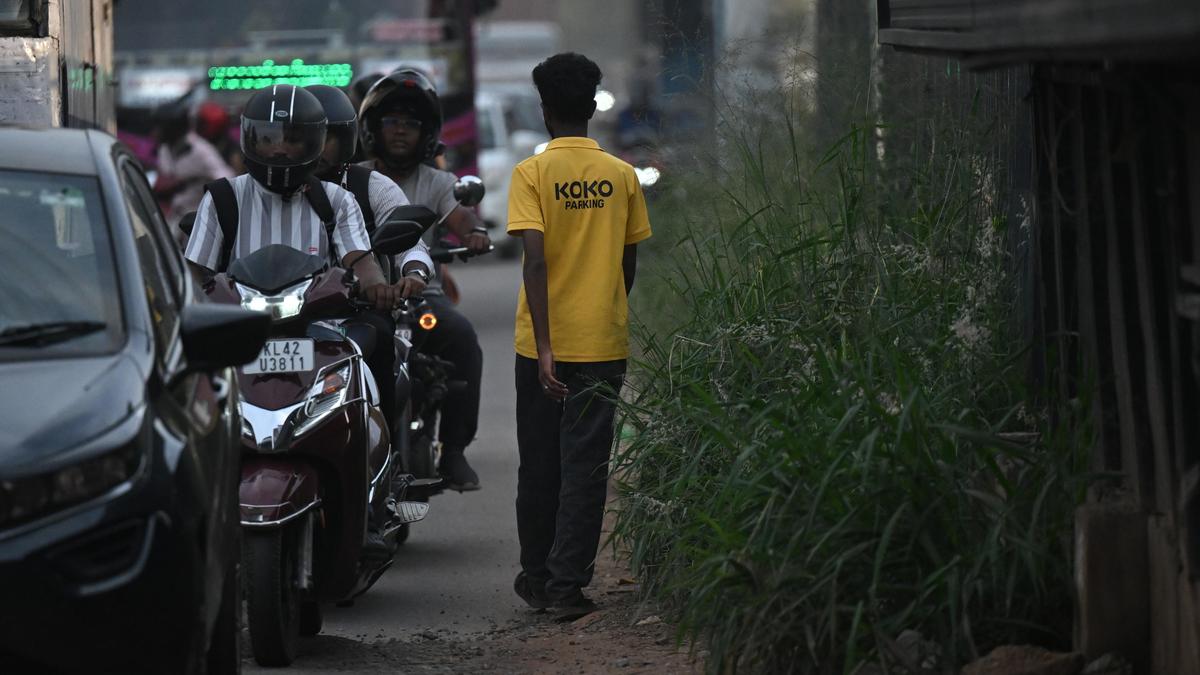
The accident in Kakkanad has brought into sharp relief the infrastructure challenges facing Kerala's rapidly urbanizing Kochi region, where pedestrian safety remains largely overlooked in road planning and development.
With the exception of major arterial routes, the majority of roads spanning Kochi and its suburban areas lack the basic physical space to support separate pedestrian pathways. Most thoroughfares are designed with minimal width, barely sufficient to accommodate two-way vehicular traffic, leaving pedestrians to navigate alongside moving vehicles with minimal protection.
This infrastructure gap poses particular risks in densely populated commercial and residential zones, where foot traffic remains significant throughout the day. The absence of designated pedestrian spaces forces walkers onto road margins, increasing their vulnerability to accidents involving two and three-wheeled vehicles.
Urban planners and civic authorities have long grappled with Kochi's rapid expansion and the challenge of retrofitting pedestrian infrastructure into existing street networks. The incident in Kakkanad underscores the urgency of prioritizing pedestrian-focused road design and safety measures across the metropolitan region.
Experts contend that dedicated footpaths remain essential components of any comprehensive urban mobility strategy, particularly in areas experiencing significant population growth and increased vehicle density.