Politics · India Bureau
Kochi scales back biomedical waste subsidy amid political backlash
The Kochi Corporation has moved to reduce subsidies for biomedical waste collection, cutting support by more than half for most users while imposing sharper charges on commercial establishments. The decision has drawn opposition criticism as implementation begins this month.
LSN India ·
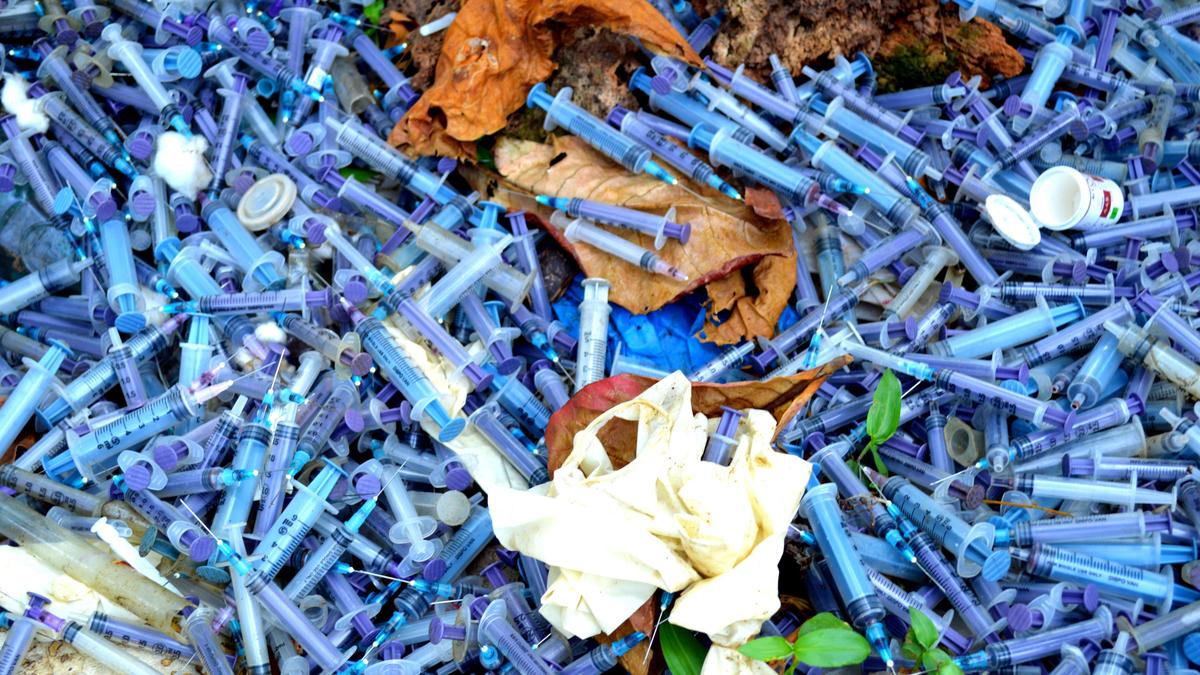
The Kochi Corporation's revised biomedical waste management policy marks a significant shift in how the civic body subsidises collection services across the city. Under the new framework, subsidies for most users will be slashed from ₹28 per kilogram to ₹12 per kilogram, representing a reduction of approximately 57 percent in financial support.
Commercial establishments face more substantial increases, with charges rising to ₹45 per kilogram under the revised tariff structure. The policy revision reflects the corporation's effort to rationalize spending on waste management infrastructure amid fiscal pressures, though officials have not detailed the projected financial impact or savings anticipated from the changes.
The implementation has drawn considerable pushback from opposition parties, who have criticized the timing and scale of the subsidy reduction. Critics argue that scaled-back support may discourage proper biomedical waste segregation and disposal among smaller healthcare facilities and practitioners, potentially creating public health risks.
The corporation's move comes as Indian cities grapple with managing medical waste generated by hospitals, diagnostic centers, and clinics. Proper biomedical waste handling remains a critical public health concern, with improper disposal posing risks of infection transmission and environmental contamination.
The corporation has indicated the new rates became effective this month, though no formal announcement regarding a phased implementation or grace period for affected parties has been made public.