World · India Bureau
Kolkata explores revival of heritage tram network after decades of decline
As cities worldwide reassess urban mobility, Kolkata is reconsidering the role of its once-extensive tram system, which dominated the cityscape for over a century before gradually fading from the transport landscape.
LSN India ·
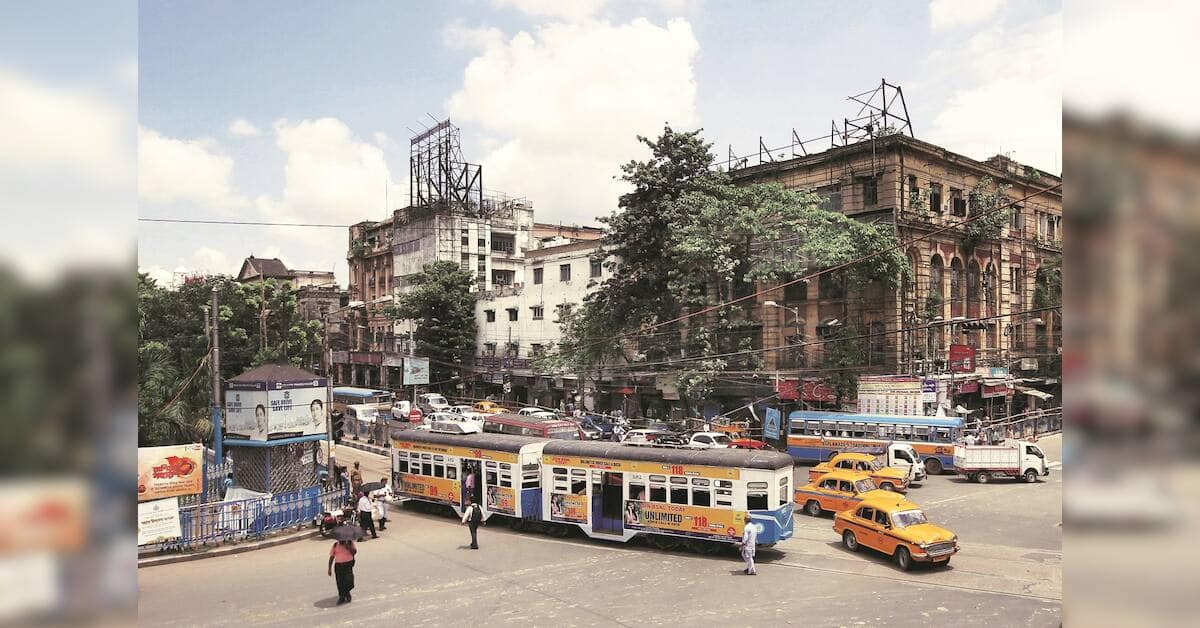
Kolkata's electric tram network, which revolutionized public transportation when it debuted in 1902, has dwindled significantly over recent decades, with many routes abandoned in favor of buses and other modern transit modes. The iconic double-decker trams that once crisscrossed the city, earning it the moniker "City of Joy," now operate only on a fraction of their original network, primarily serving heritage routes and tourism purposes.
Urban planners and transport officials are now reassessing whether the heritage tram system could play a renewed role in the city's mobility framework. Proponents argue that trams represent a sustainable transport solution with lower emissions compared to many alternatives, positioning them as an "original electric vehicle" long before modern electric transport became mainstream.
The potential revival faces considerable challenges, including aged infrastructure requiring substantial rehabilitation, space constraints on congested city streets, and questions about operational viability and passenger demand. Additionally, integrating trams into contemporary transport ecosystems while maintaining heritage value presents complex planning and financial considerations.
Advocates for the tram system point to successful heritage tram operations in other Indian and international cities, suggesting that Kolkata's network could be reimagined as both a practical transit option and a cultural asset. Any comprehensive revival strategy would likely require significant investment in modernizing rolling stock and track infrastructure while balancing preservation concerns with contemporary urban transit requirements.