Culture & Entertainment · India Bureau
Kolkata streets transformed with traditional alpona art ahead of Durga Puja
Kolkata's thoroughfares are being adorned with vibrant traditional alpona designs as the city prepares for the annual Durga Puja festival. The intricate floor art, created using coloured powders and rice paste, reflects the cultural heritage that defines the celebration.
LSN India ·
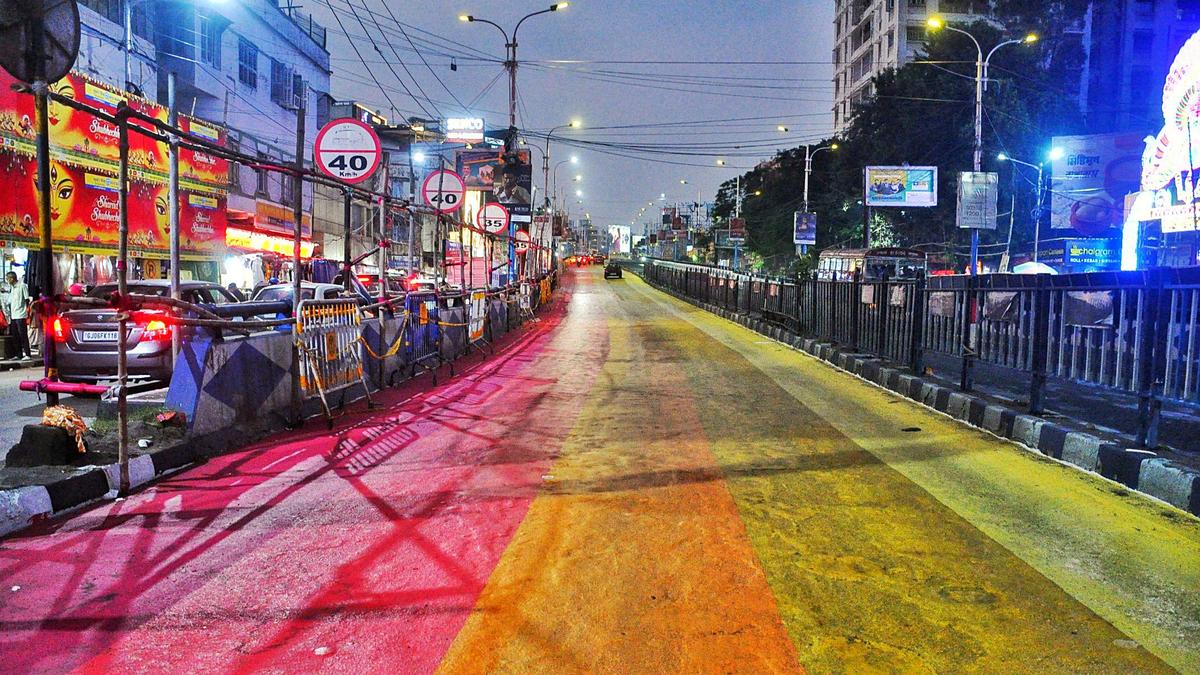
Streets across Kolkata have become canvases for traditional alpona designs, the intricate floor art that forms an integral part of Durga Puja celebrations. Created using coloured powders, rice paste, and natural pigments, these decorative patterns are being applied to roads, alleyways, and residential areas throughout the city, signalling the imminent arrival of the major Hindu festival.
Alpona, also known as alpana in some parts of South Asia, is a centuries-old art form that typically features geometric patterns, floral motifs, and religious symbols. The practice holds deep cultural significance during Durga Puja, with families and community groups collaborating to beautify public and private spaces. The designs vary from simple geometric shapes to elaborate depictions of religious narratives and seasonal imagery.
The use of alpona during festival season serves both aesthetic and spiritual purposes. Traditionally believed to invite prosperity and divine blessings, the art form also represents Kolkata's commitment to preserving its cultural identity. As the city's residents engage in these preparations, the vibrant floor designs create a festive atmosphere that permeates neighbourhoods and commercial districts alike.
Durga Puja, celebrated annually in September or October, draws millions of visitors to Kolkata and remains one of the most significant cultural events in eastern India. Beyond alpona decorations, the festival preparations include elaborate pandal constructions, crafting of clay idols, and various community activities that collectively transform the city's landscape.