Business · India Bureau
Korea's DMZ transforms into unexpected wildlife sanctuary
Seven decades after the Korean War armistice created a heavily militarized border, the demilitarized zone separating North and South Korea has evolved into a thriving ecological refuge. The 155-mile buffer has preserved rare species and migratory habitats largely untouched by human development.
LSN India ·
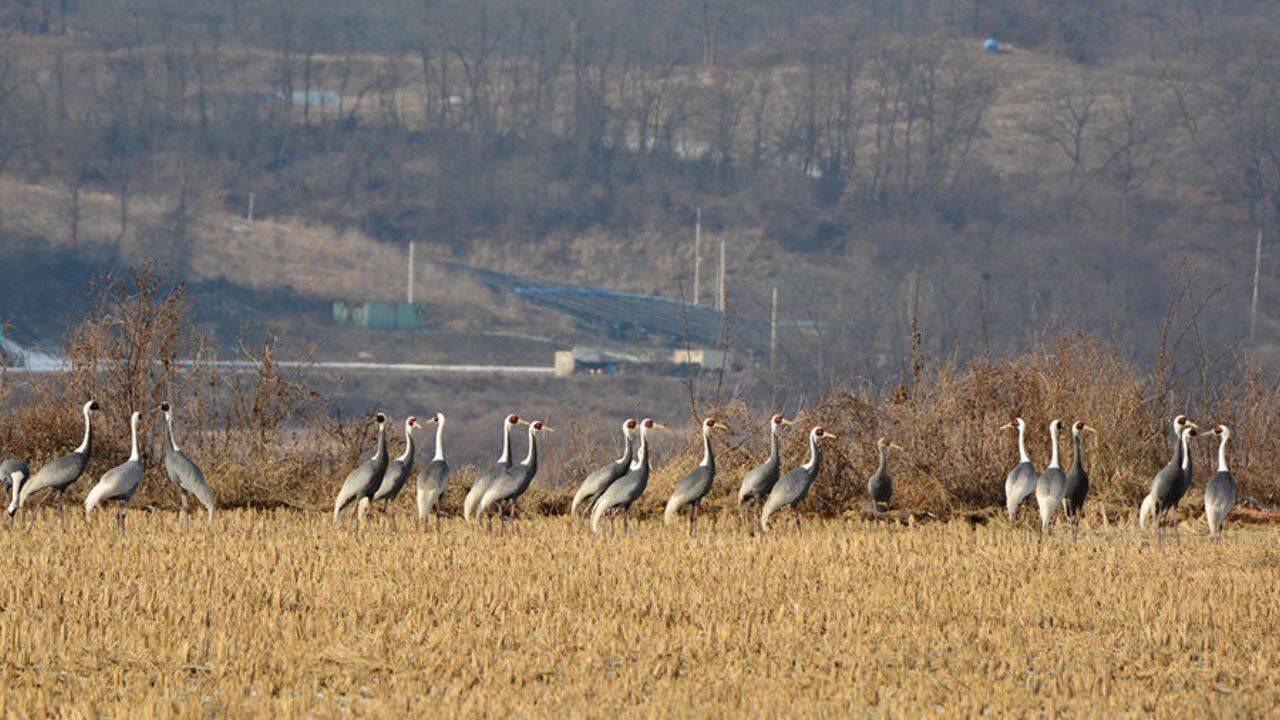
The Korean Demilitarised Zone, established in 1953 following the armistice agreement that halted active hostilities on the peninsula, was designed as a fortified barrier between two nations. Instead, the heavily patrolled strip of land has inadvertently created one of Asia's most significant wildlife sanctuaries, remaining largely insulated from the urbanisation and agricultural expansion that has transformed surrounding regions.
The zone's isolation from civilian settlement and industrial development has allowed endangered species to establish populations that have disappeared elsewhere in the region. Musk deer, leopards, and other rare mammals have found refuge within the buffer zone's boundaries, where human activity remains restricted and ecosystems have been permitted to recover over seven decades.
Migratory bird populations have similarly benefited from the DMZ's preservation. The zone's wetlands and abandoned rice fields provide critical stopover habitats for birds traversing East Asian migration routes. Conservation initiatives and controlled eco-tourism programmes have begun documenting and protecting these avian species while maintaining the ecological integrity of the landscape.
The unintended transformation of a military demarcation line into a nature reserve has attracted growing international scientific attention. Researchers and conservationists increasingly view the DMZ as a model for habitat preservation, demonstrating how protected landscapes can support biodiversity recovery even in geopolitically sensitive regions. The zone's potential as a shared environmental resource continues to generate discussions about its long-term ecological management and preservation.