Politics · India Bureau
Korean chip ETF traders flee amid tightening regulatory constraints
Day traders are increasingly abandoning leveraged exchange-traded funds focused on Korean semiconductor stocks as regulators impose stricter rules. The latest regulatory measure requiring a five-day simulated trading period has further dampened investor appetite for these volatile instruments.
LSN India ·
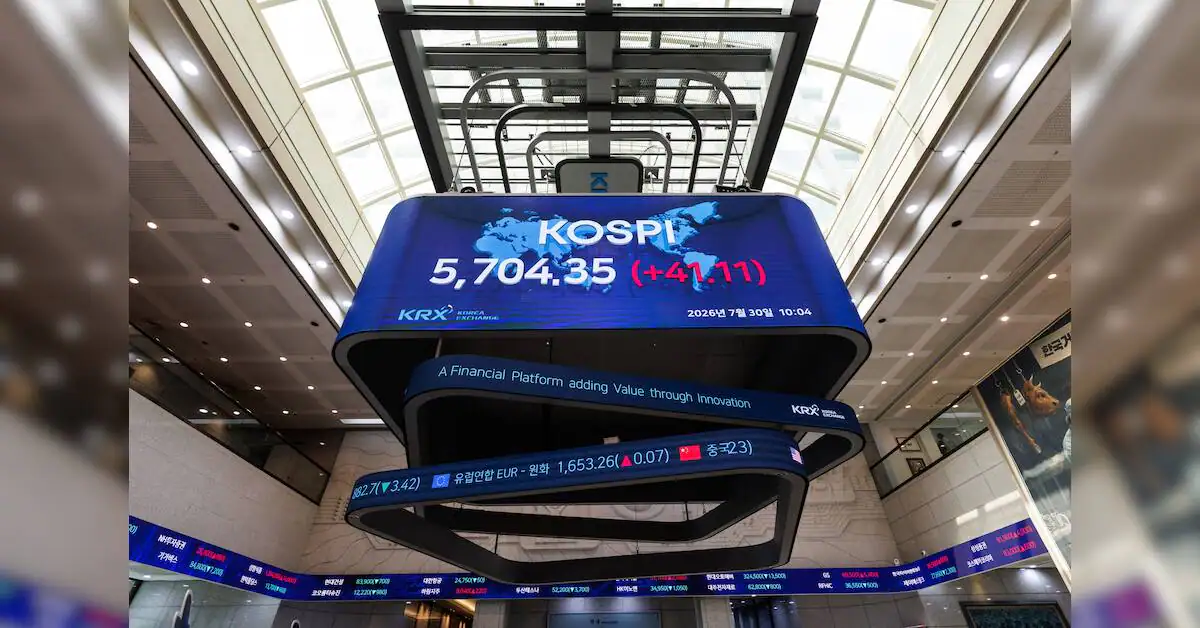
Demand for leveraged exchange-traded funds tracking South Korean semiconductor companies has experienced a sharp decline as regulatory authorities continue to tighten oversight of the sector. The exodus of day traders reflects growing concerns about compliance costs and operational hurdles associated with these investment products.
The Korean financial regulator's recent mandate requiring investors to complete five days of simulated trading before engaging in leveraged ETF transactions has emerged as a significant deterrent. This requirement adds friction to the trading process and extends the time-to-market for retail investors seeking rapid entry into these positions.
The regulatory tightening campaign represents a broader effort by authorities to manage systemic risks associated with leveraged instruments. Policymakers have expressed concerns about retail investor losses and market stability implications stemming from highly leveraged positions in volatile semiconductor stocks.
Industry observers note that the combination of successive regulatory constraints has fundamentally altered the risk-reward calculus for day traders. The cumulative effect of compliance requirements, including the simulation mandate, has prompted many retail investors to redirect capital toward less-regulated or alternative trading vehicles.
The decline in leveraged ETF demand underscores mounting pressure on Korean financial authorities to balance market accessibility with investor protection. As regulations continue to evolve, market participants anticipate further restrictions that could reshape trading patterns in derivative-linked instruments.