World · World News Bureau
Korean siblings separated by border seek final reunion before time runs out
An elderly South Korean woman hopes for one last meeting with her brother in the North, while a defector from Pyongyang undertakes a dangerous mission to rescue his aging mother. The divided peninsula continues to keep families apart despite occasional humanitarian initiatives.
LSN World News ·
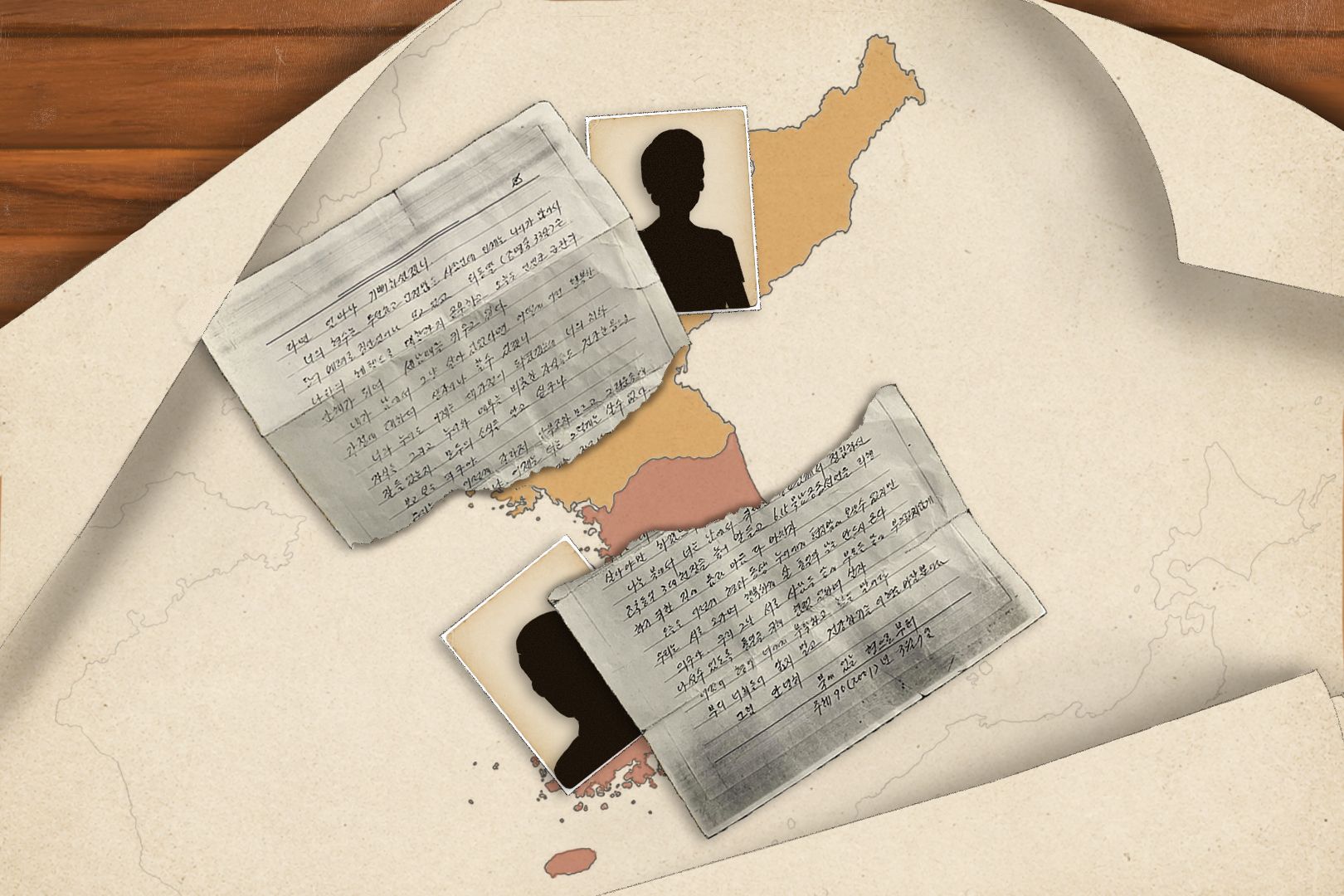
Decades of separation have done little to diminish the bonds of kinship across Korea's fortified border. In the South, an aging woman counts down what may be her final days with hopes of seeing a brother she has not encountered since the peninsula's division in 1945. Meanwhile, on the other side of the demilitarized zone, a North Korean defector who fled to freedom now faces an agonizing choice: whether to risk everything by attempting to bring his elderly mother out of the isolated state.
Family reunions between North and South Korea remain rare and heavily controlled by Pyongyang's government. Periodic humanitarian programs have allowed some separated families brief encounters, though many elderly Koreans die without ever seeing relatives lost to the division. The emotional toll of enforced separation has shaped multiple generations of Koreans, with grandchildren growing up knowing only stories of relatives they will never meet.
The defector's position underscores the extraordinary risks faced by those attempting to escape North Korea or help family members flee. Defectors are considered traitors by the regime, and attempting to smuggle relatives out could trigger severe punishment. Such missions require navigating complex underground networks and hostile border regions while evading security forces on both sides.
The cases highlight the human cost of the ongoing division, where geographical and political boundaries have created permanent separations within families. As the generation that remembers pre-division Korea ages, the window for these reunions narrows with each passing year. Officials in Seoul have occasionally pushed for expanded family reunion programs, though diplomatic tensions and North Korea's resistance continue to limit access.