World · World News Bureau
Kratom's rise as 'gas station heroin' sparks US health concerns
A plant-derived substance widely available at convenience stores across the United States is drawing scrutiny from health officials following investigations into overdose deaths. Kratom, which has been openly sold in America for approximately a decade, produces effects similar to opioids and stimulants depending on dosage.
LSN World News ·
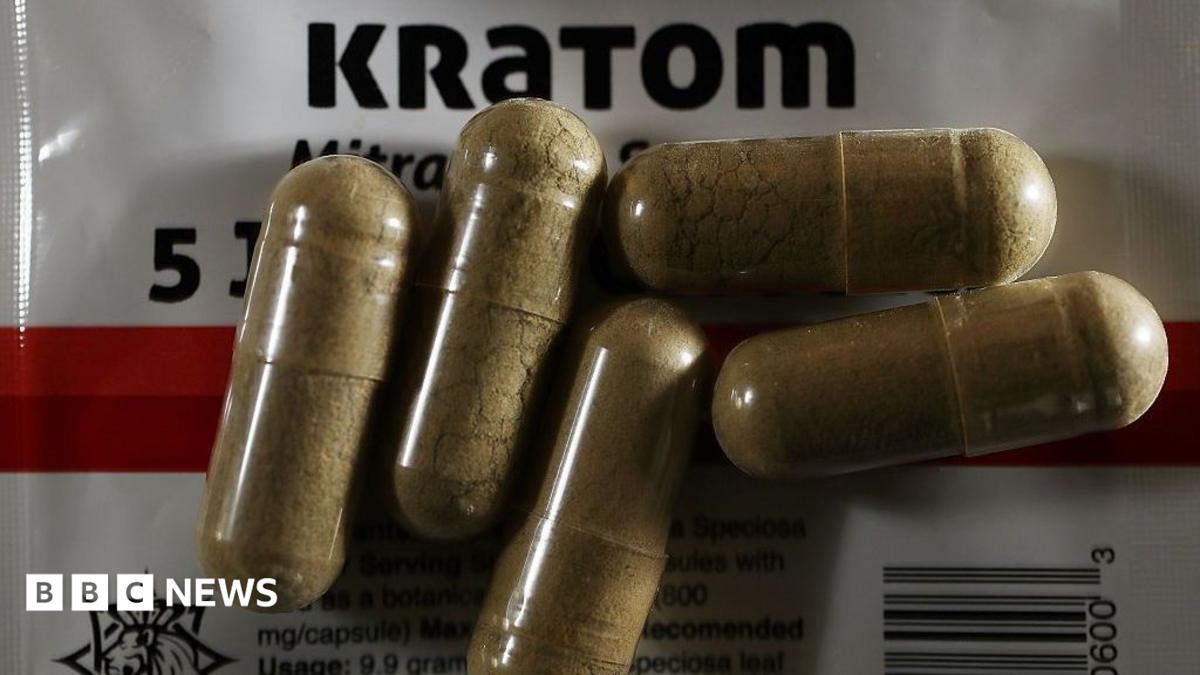
Kratom, derived from the leaves of a Southeast Asian tree, has emerged as a growing concern for American public health authorities. The substance, which can be purchased at gas stations, convenience stores and online retailers, contains alkaloid compounds that interact with opioid receptors in the brain, producing effects ranging from stimulation at lower doses to sedation and pain relief at higher doses.
The plant material gained wider attention after being identified during investigations into the deaths of two college students, prompting renewed scrutiny from regulatory agencies and health officials. Despite its availability and popularity among some users seeking pain management or opioid alternatives, kratom's safety profile remains poorly understood and its regulatory status remains ambiguous across most US jurisdictions.
Public health advocates have raised concerns about kratom's potential for dependence and adverse health effects, particularly given its widespread accessibility and minimal age restrictions at retail locations. The substance is not approved by the Food and Drug Administration for medical use, yet continues to be marketed for therapeutic purposes across the country.
The emergence of kratom as a commercial product reflects broader patterns of substance availability in the United States, where regulatory gaps allow novel psychoactive substances to reach consumers with limited oversight. Health officials are increasingly calling for standardized testing, labeling requirements and age restrictions to address public health risks associated with widespread kratom use.