Politics · World News Bureau
Kremlin intensifies crackdown ahead of Russian parliamentary elections
Moscow has conducted a pre-election crackdown to limit protest voting in upcoming Duma elections, signaling deep concerns about political discontent even among state-aligned opposition parties. Authorities appear intent on minimizing any potential rejection of the Kremlin's preferred candidates through legal and extrajudicial measures.
LSN World News ·
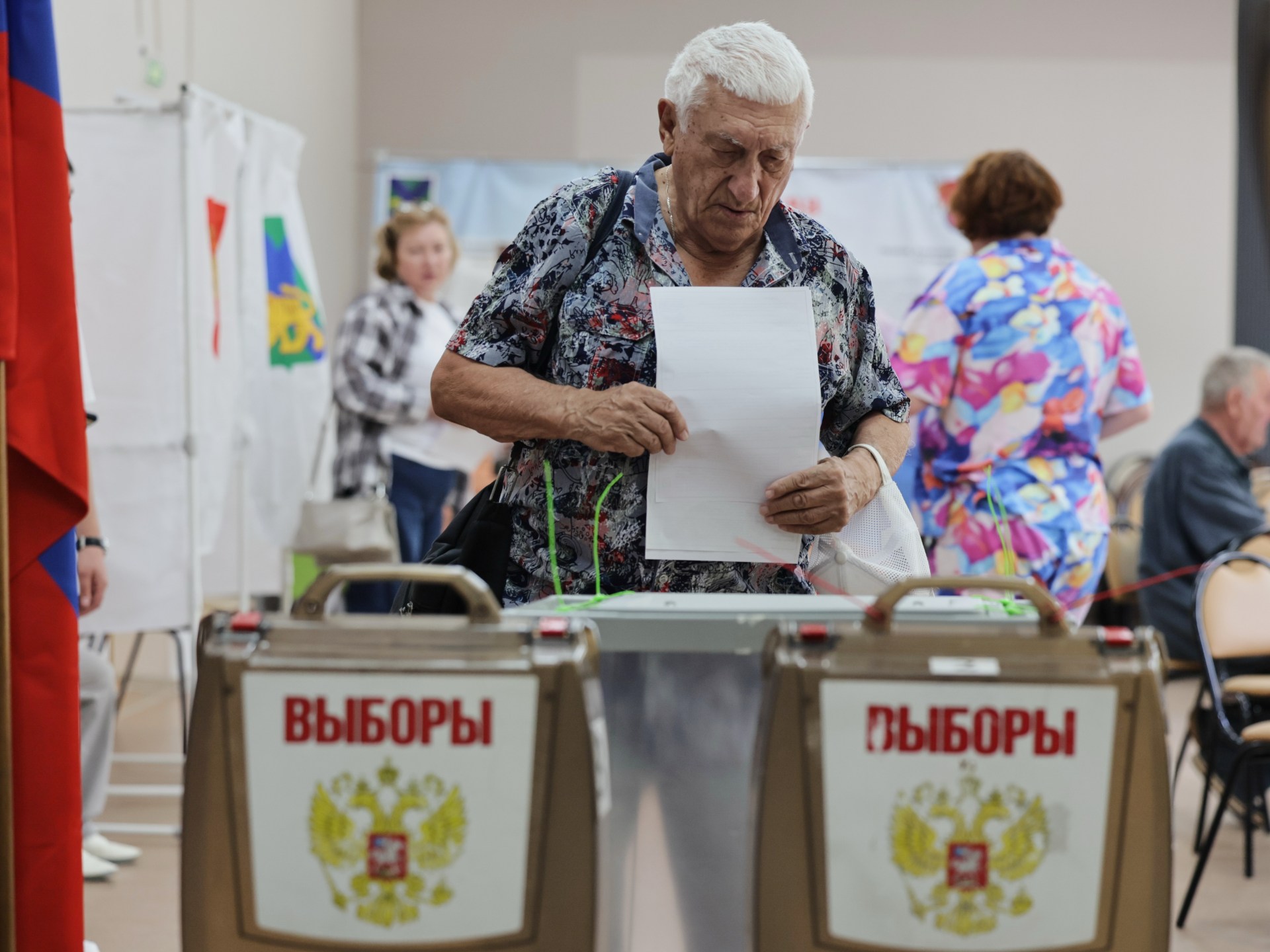
Russian authorities have launched a coordinated campaign to suppress dissent ahead of parliamentary elections, reflecting the Kremlin's anxiety about unexpected electoral outcomes even when opposition is tightly controlled. The pre-election measures target not only independent candidates but also members of registered opposition parties permitted to operate within the system, indicating broader concerns about public sentiment.
The timing and scope of the crackdown suggest that Moscow fears a protest vote that could undermine the legitimacy of the legislative process, despite state management of most political activity. By restricting even the limited opposition space that exists, the Kremlin appears to be attempting to prevent voters from using their ballots as a form of dissatisfaction with current governance.
The suppression of the so-called managed opposition reflects the paradox at the heart of Russian political control: while the government maintains rigid oversight of the political system, it remains concerned that voters might find ways to express discontent within available channels. This tension demonstrates the challenge authorities face in balancing appearances of democratic process with security of outcomes.
Such measures have become routine in Russia's election cycles, though their intensity has escalated in recent years amid broader concerns about political stability. The approach underscores how the Kremlin's need for political certainty continues to conflict with any genuine electoral competition, regardless of how constrained that competition may be.