Politics · Malaysia Bureau
Kremlin rejects UN Security Council reform proposals from Turkey
Russia has dismissed Turkish President Recep Tayyip Erdogan's calls to abolish permanent membership and veto powers at the UN Security Council. Kremlin spokesman Dmitry Peskov outlined Moscow's position on the contentious reform debate.
LSN Malaysia ·
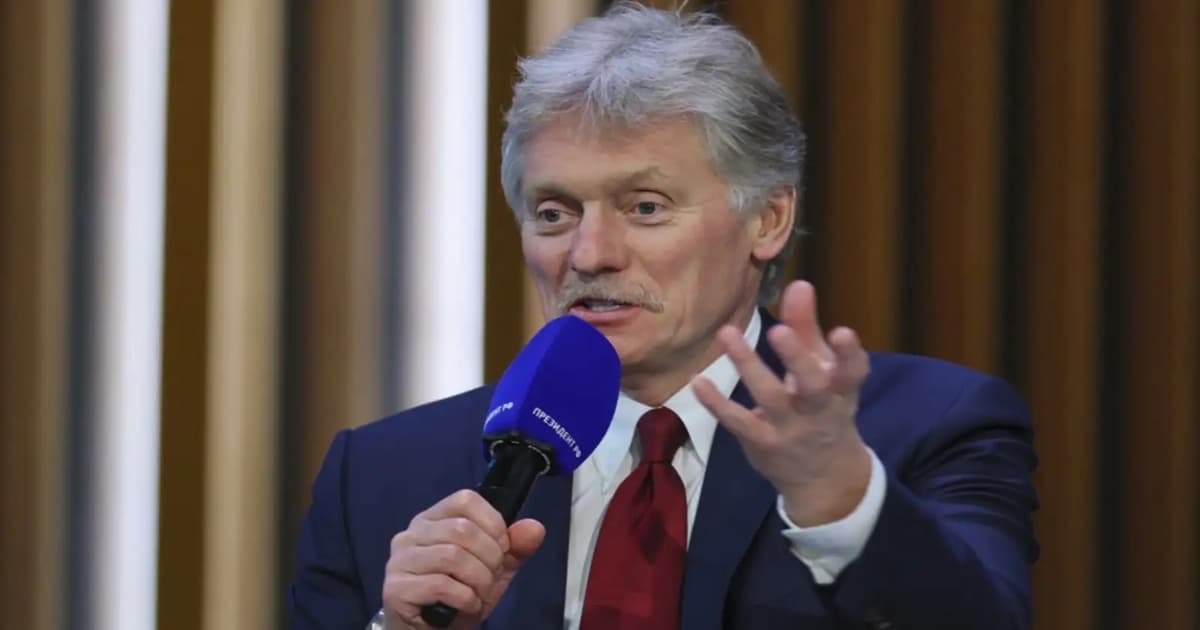
The Kremlin has pushed back against proposals to overhaul the United Nations Security Council's structure, responding to Turkish President Recep Tayyip Erdogan's recent statements calling for the elimination of permanent membership and veto powers.
Kremlin spokesman Dmitry Peskov addressed the matter, effectively rejecting Erdogan's reform agenda. The Turkish president has been an outspoken advocate for restructuring the Security Council, arguing that its current system concentrates too much power among the five permanent members: Russia, the United States, China, France, and Britain.
Russia's firm stance reflects its significant interest in maintaining its privileged position within the global governance structure. As a permanent member, Moscow wields considerable influence over international decisions and retains the ability to block resolutions through its veto power.
Turkey's push for reform has gained attention amid broader international discussions about modernising the UN system to better reflect contemporary geopolitical realities. However, reform efforts face steep odds given that any such changes would require approval from the Security Council itself, effectively giving veto powers to those same permanent members.
The disagreement underscores persistent tensions over global governance structures and highlights the challenge of achieving consensus on institutional reform among major powers with divergent interests.