World · Singapore Bureau
Kuala Lumpur Airport emerges as hub for endangered gibbon smuggling
Malaysian authorities have identified Kuala Lumpur International Airport as a key trafficking point for illegally smuggled gibbons, with at least 16 cases recorded over a 2.5-year period. The discoveries have implicated multiple airlines and airports across the region in the trade of the endangered primates.
LSN Singapore ·
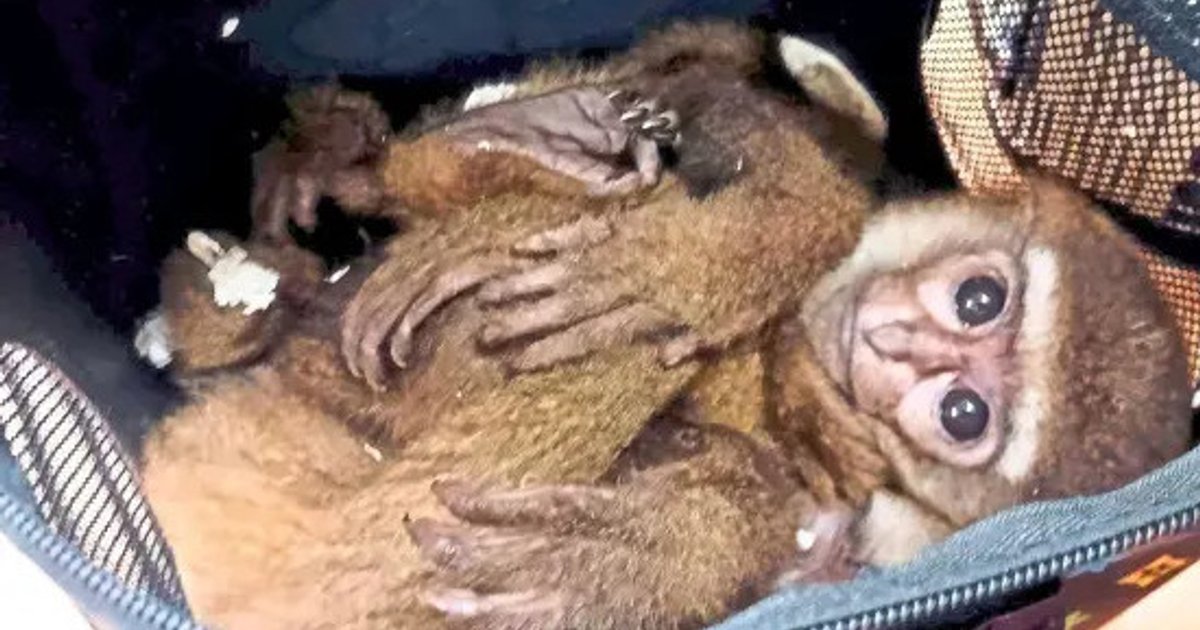
Kuala Lumpur International Airport (KLIA) has become a critical nexus in the illegal trafficking of gibbons, according to documented smuggling cases that paint a concerning picture of wildlife crime affecting the region's endangered species. The airport has featured prominently in at least 16 recorded incidents over 2.5 years, establishing it as a focal point for trafficking networks moving protected primates through Southeast Asia.
Investigations into these cases have revealed the involvement of at least 14 airports and nine airlines in the smuggling operations, indicating an organised network spanning multiple countries and carriers. The scope of the implicated aviation infrastructure suggests that wildlife smugglers have systematically exploited various transit points and airline services to move gibbons illicitly across borders.
Gibbons, classified as endangered under international wildlife protection treaties, are native to Southeast Asia and face severe threats from habitat loss and illegal capture. The trafficking of these primates for the exotic pet trade and other purposes represents a significant enforcement challenge for Malaysian authorities and regional wildlife agencies.
The emergence of KLIA as a smuggling hub underscores broader concerns about wildlife trafficking throughout Asia-Pacific aviation networks. Authorities have intensified monitoring and inter-agency cooperation to intercept illegal shipments and dismantle trafficking operations, though the persistence of cases at major airports suggests ongoing vulnerabilities in enforcement mechanisms.