World · Singapore Bureau
Kuala Lumpur's crumbling facades chronicle city's evolving urban identity
A closer examination of Kuala Lumpur's aging buildings reveals layers of commercial activity and community life that have shaped the Malaysian capital's transformation over decades.
LSN Singapore ·
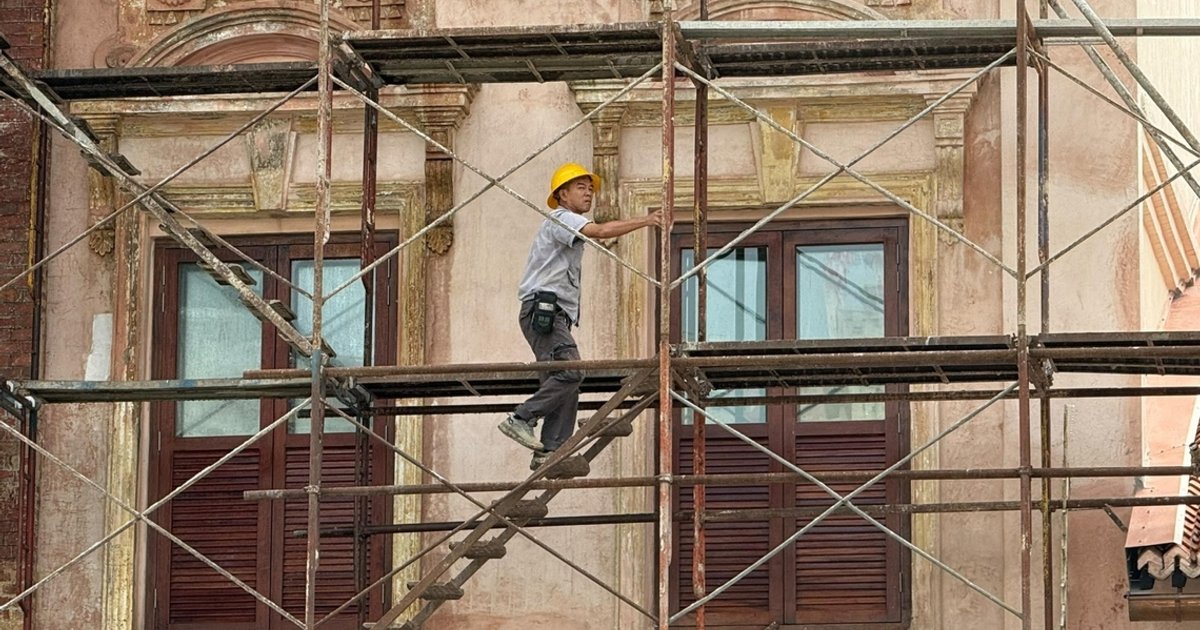
The weathered structures dotting Kuala Lumpur's older districts serve as physical records of the city's economic and social evolution. These buildings, many bearing faded signage and deteriorating facades, stand as witnesses to shifts in commerce, migration patterns, and urban development that have reshaped the city's character.
Walking through KL's heritage quarters exposes the interconnected stories embedded within these structures. Former shophouses that once anchored thriving business districts now stand as architectural remnants, their original purposes often obscured by years of wear and changing use. The peeling paint and weathered brick reveal layers of different eras—from colonial-era construction techniques to mid-century modernist additions.
These aging buildings document the livelihoods of generations of merchants, craftspeople, and residents who established themselves in specific neighbourhoods. Each structure, however deteriorated, represents decisions made by individuals and communities about where to live, work, and build their futures. The patterns visible in KL's built environment reflect broader trends in Southeast Asian urbanisation.
Preservation efforts in the Malaysian capital increasingly recognise the historical and cultural value of these structures. Understanding what these buildings represent—beyond their physical degradation—offers insight into how cities transform and how communities adapt to change. For planners and heritage advocates, these facades present both challenges and opportunities in balancing development with historical continuity.