Business · India Bureau
Kutch's camel herds face extinction as industrialisation threatens traditional grazing
India's largest district is witnessing a sharp decline in its camel population as mining, industrial expansion, and shrinking pastureland squeeze out traditional herding practices. Once abundant across Gujarat's Kutch region, the iconic animals now face the prospect of disappearing from the landscape entirely.
LSN India ·
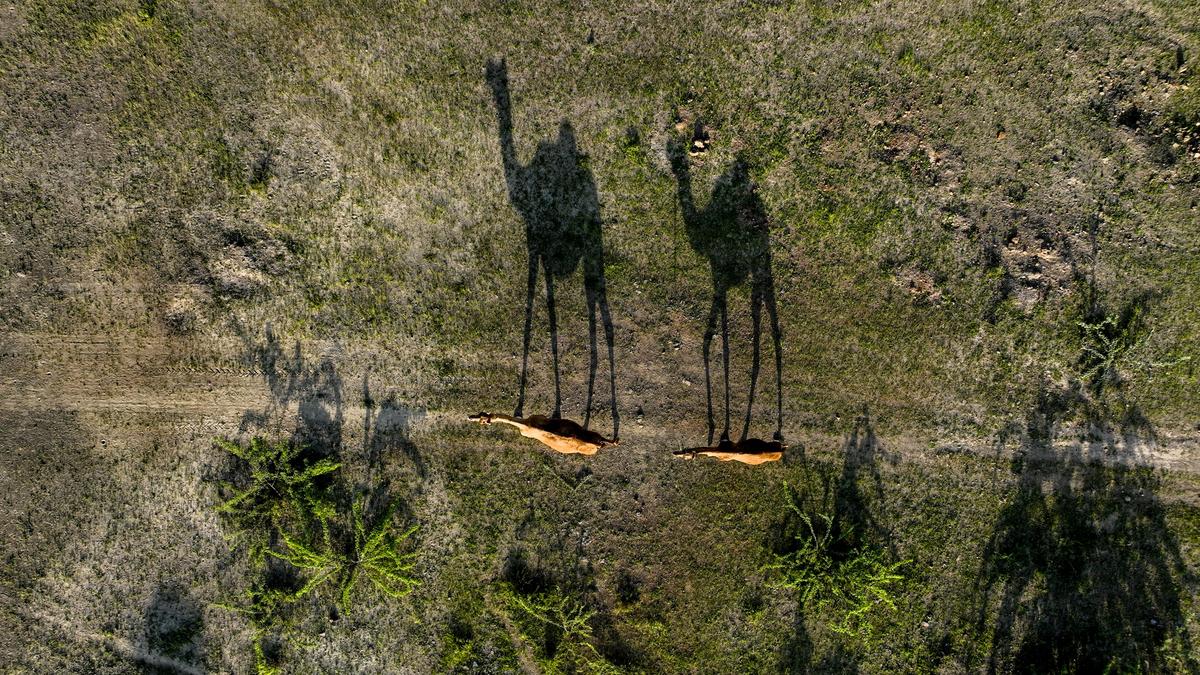
Kutch district in Gujarat, spanning vast stretches of semi-arid terrain, has long been home to substantial camel herds that sustained pastoral communities for generations. However, rapid industrialisation and large-scale mining operations have fundamentally altered the region's ecology, leaving fewer viable grazing grounds for livestock.
The transformation of Kutch's landscape reflects broader tensions between economic development and traditional livelihoods across India's western regions. As agricultural land is converted for industrial use and mining concessions expand, pastoralist communities face mounting pressure to abandon animal husbandry or relocate their herds elsewhere.
Grazing grounds that once sustained thousands of camels have contracted significantly, forcing herders to reduce herd sizes or seek alternative income sources. The environmental changes have compounded challenges already posed by erratic rainfall patterns and competition for limited water resources in the semi-arid district.
Without intervention to preserve grazing corridors and protect traditional pastoral systems, experts warn that camels could vanish from Kutch within years, erasing not only an integral part of the region's cultural heritage but also the economic foundation of communities that have herded these animals for centuries.