World · Malaysia Bureau
Kuwait caught between US alliance and Iranian pressure amid Middle East tensions
Kuwait faces intensifying attacks from Iran-aligned groups since regional conflict escalated in late February, complicating its strategic position as a long-standing US ally in the Gulf.
LSN Malaysia ·
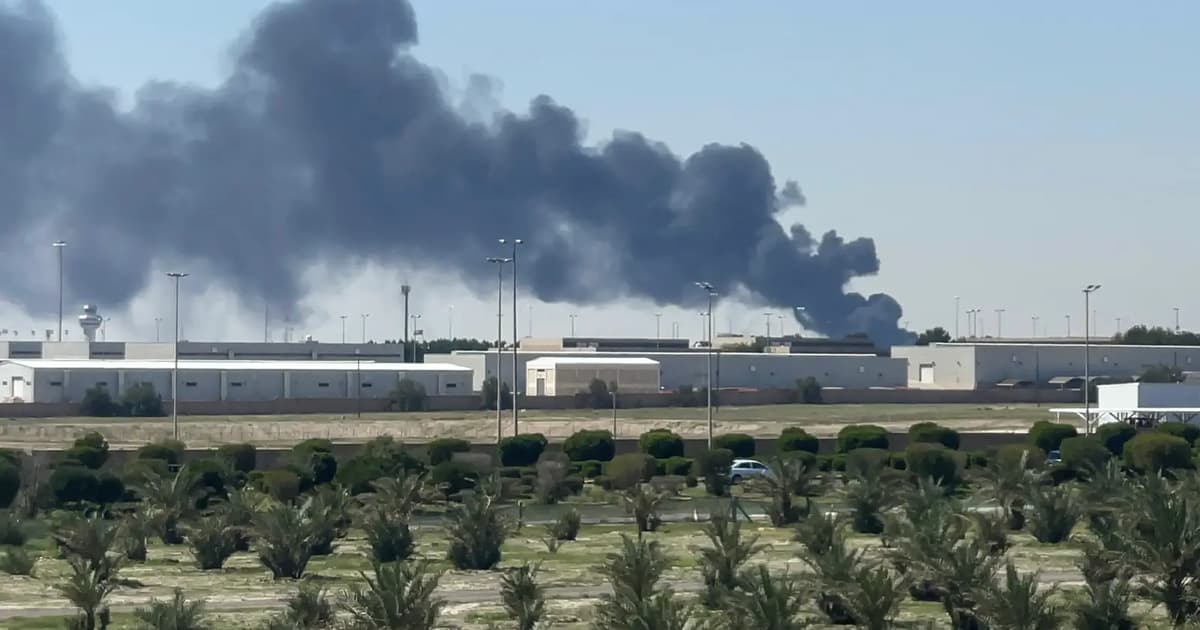
Kuwait has become an unlikely flashpoint in the broader Middle East conflict, enduring repeated strikes from Iran and its regional proxies even as it maintains historical security ties with the United States. The Gulf state's predicament underscores the complex dynamics facing smaller regional players caught between Washington's strategic interests and Tehran's expanding sphere of influence across the Middle East.
Since hostilities intensified in late February, Iran-backed militias have conducted numerous operations targeting Kuwait, including drone and missile attacks. The escalating campaign signals a deliberate effort to pressure the country and potentially fracture its longstanding partnership with Washington. Kuwait's critical geographic position—nestled between Iraq and Saudi Arabia, with access to vital shipping lanes—makes it a strategically valuable target in the broader regional competition.
For decades, Kuwait relied on US military support and security guarantees following the 1990-1991 Gulf War. However, the recent attacks suggest that historical alignments may offer diminishing protection amid the current conflict. The Kuwaiti government faces mounting pressure to balance its Western security commitments against regional realities and the growing capabilities of Iran-aligned armed groups operating across Iraq and the broader Levant.
Analysts note that Kuwait's vulnerability reflects a broader challenge facing Gulf states attempting to maintain neutrality or selective partnerships while regional powers pursue competing agendas. The country's efforts to manage relations with both the United States and neighbouring Iran have become increasingly strained as attacks intensify, raising questions about the effectiveness of traditional security arrangements in the current environment.