Business · Bangladesh Bureau
Labour market struggle: Only 45% of new workers find jobs annually
Bangladesh faces a significant employment crisis as two million people enter the labour market each year, yet fewer than half secure formal jobs. The widening gap between job seekers and available positions threatens economic stability and raises concerns about underemployment.
LSN Bangladesh ·
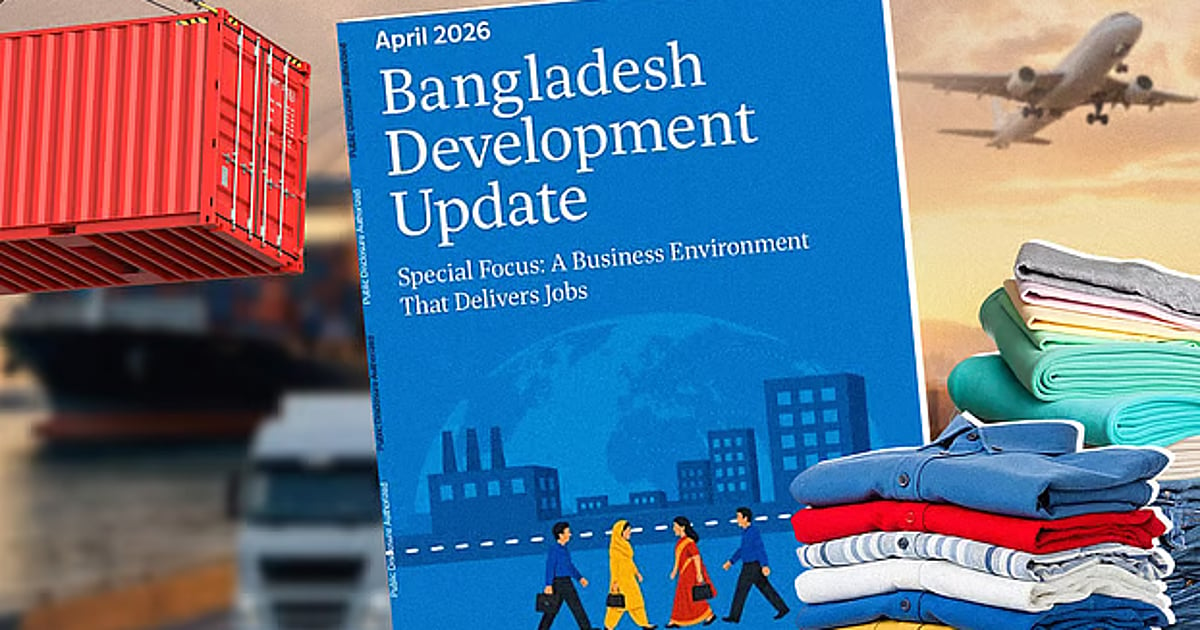
The South Asian nation grapples with an acute employment shortage as approximately 900,000 workers find formal positions out of two million new entrants to the labour market annually, according to labour sector assessments. The disparity underscores structural challenges in job creation that have persisted despite economic growth in recent years.
The employment shortfall has created a mounting pool of underutilised talent, forcing many workers into informal sector roles with limited protections, irregular income, and minimal social security benefits. Youth unemployment remains particularly acute, with school and university graduates struggling to transition into meaningful career paths aligned with their qualifications.
Economists attribute the gap to several factors, including insufficient industrial expansion, skills mismatches between worker capabilities and employer requirements, and the capital-intensive nature of modern manufacturing. While garment and textile sectors traditionally absorbed large labour cohorts, recent automation and trade pressures have constrained job growth in these industries.
Policy experts have called for accelerated infrastructure development, support for small and medium enterprises, and enhanced vocational training programmes to bridge the employment deficit. Without intervention, analysts warn that the annual shortfall could exacerbate social pressures and economic inequality across the region.