Politics · Singapore Bureau
Labour too slow on cost-of-living crisis, admits New Zealand opposition chief
Former Prime Minister Chris Hipkins acknowledged his Labour party's delayed response to economic hardship following the COVID-19 pandemic. The opposition leader is seeking to reclaim support from middle-income urban voters ahead of New Zealand's November 7 general election.
LSN Singapore ·
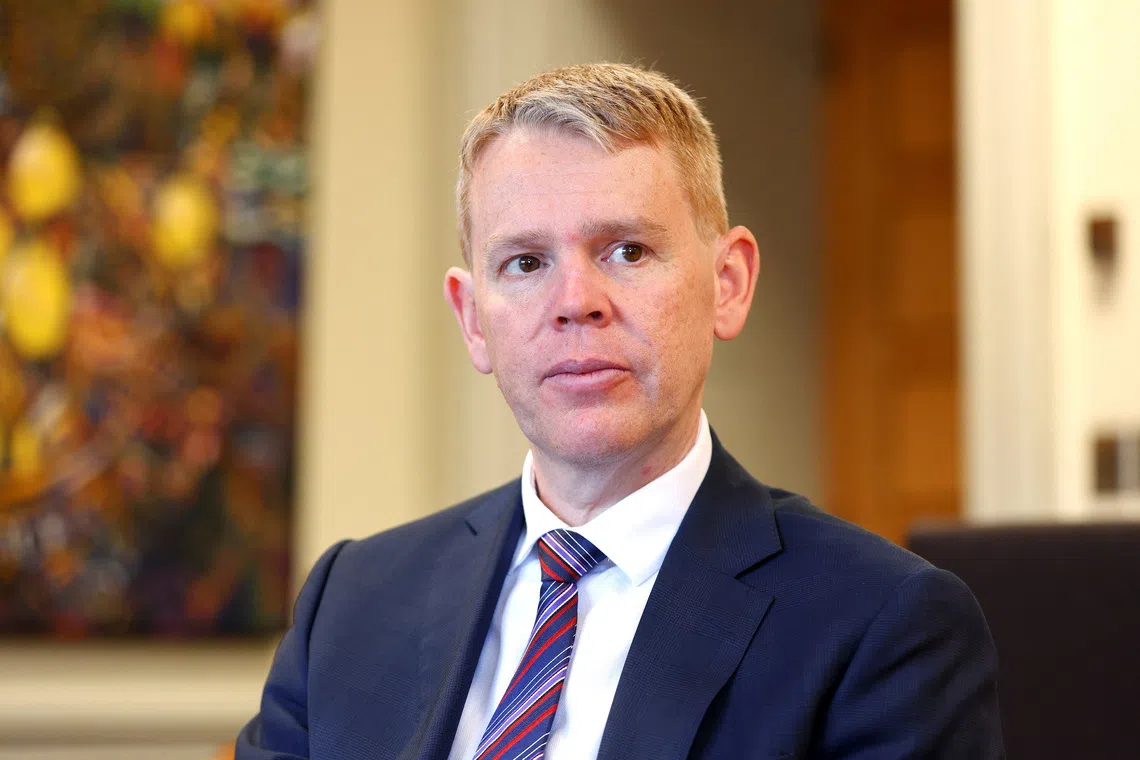
WELLINGTON — Chris Hipkins, leader of New Zealand's opposition Labour party and a former Prime Minister, has conceded that his party failed to respond swiftly enough to the cost-of-living challenges that emerged in the wake of the COVID-19 crisis.
Hipkins made the admission while outlining his party's strategy to win back support from urban, middle-income voters, a demographic seen as crucial to Labour's prospects in the approaching election on November 7.
The former premier's comments underscore the economic pressures that have reshaped New Zealand's political landscape since the pandemic, with inflation and rising living costs becoming dominant electoral issues. Labour's relatively slow recognition of these concerns has contributed to a shift in voter preferences away from the incumbent government.
Recovering support among middle-class urban constituencies will be essential for Labour's electoral revival. These voters, traditionally a core support base for the party, have grown increasingly frustrated with the government's economic management and cost-of-living impacts.
The election campaign enters its final phase with economic stewardship emerging as the defining issue for voters deciding between competing visions for managing New Zealand's recovery.