World · Bangladesh Bureau
Lack of teaching materials forces Bangladesh schools back to rote learning
A critical shortage of educational aids across schools is pushing classrooms toward outdated memorization methods, undermining efforts to modernize teaching practices. Educators warn the trend threatens to limit student understanding and critical thinking skills.
LSN Bangladesh ·
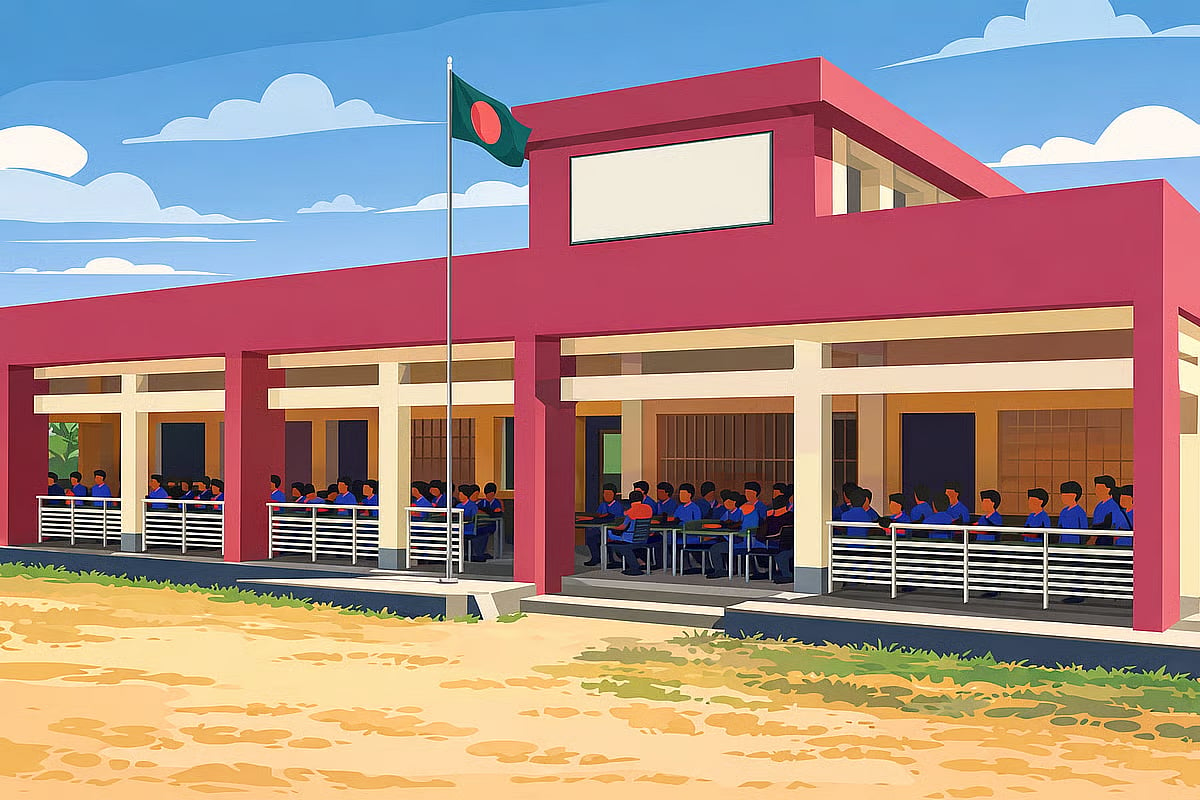
Schools across Bangladesh are facing a significant deficit in teaching materials, forcing educators to rely increasingly on traditional rote learning methods despite national curriculum reforms designed to move away from such approaches.
The shortage spans a range of essential resources including visual aids, practical demonstration materials, and supplementary learning tools that support interactive classroom instruction. Without these materials, teachers say they have limited options beyond dictation-based lessons that prioritize memorization over comprehension.
Educational experts argue that sustained reliance on rote learning methods undermines the development of analytical and problem-solving abilities in students. The shift backwards comes as Bangladesh attempts to strengthen its education system through curriculum modernization and competency-based learning frameworks.
The resource gap affects schools across different regions and socioeconomic levels, though rural and under-resourced institutions face particularly acute shortages. School administrators have raised concerns about the long-term implications for student outcomes, noting that inadequate teaching aids directly impact learning quality and educational equity.
Education officials have not yet announced concrete plans to address the material deficiencies, leaving schools to work within existing constraints as the academic year progresses.