World · India Bureau
Ladakh faces widening governance gap as trust in Delhi erodes
Residents and political leaders in Ladakh express growing discontent with central government policies and administrative decisions affecting the union territory. The friction underscores persistent concerns about regional autonomy and local representation since Ladakh's separation from Jammu and Kashmir.
LSN India ·
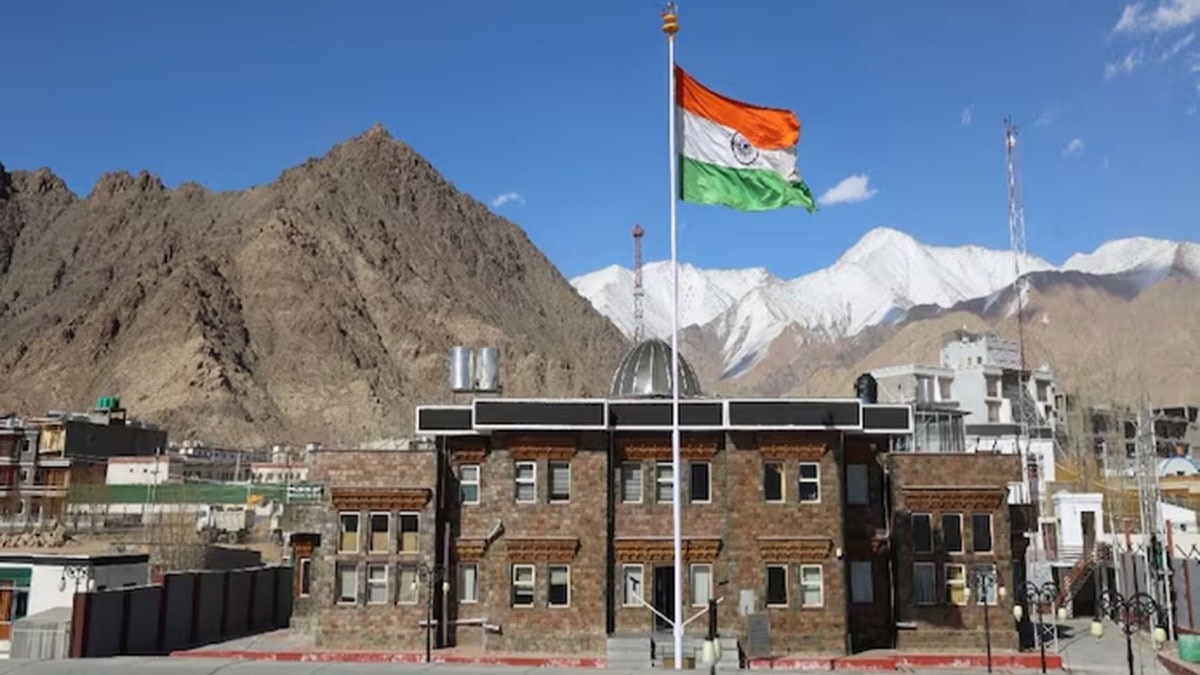
Ladakh's relationship with New Delhi has become increasingly strained, with residents citing a disconnect between ground-level concerns and policy implementation by the union territory administration. The erosion of confidence stems from multiple issues including perceived neglect of local economic interests, administrative appointments made without adequate consultation, and the handling of sensitive matters affecting the region's Buddhist and Muslim communities alike.
Since being granted union territory status in 2019, Ladakh has lacked elected representation in the form of an assembly, a factor that local voices argue has contributed to a deficit in democratic accountability. Residents report that their concerns regarding employment opportunities, agricultural policies, and infrastructure development frequently go unaddressed in decision-making processes dictated from Delhi.
The trust gap has widened particularly around issues of environmental protection and resource management, where local stakeholders feel external priorities override regional considerations. Political observers note that without a dedicated legislative body, Ladakh residents have limited formal channels to voice grievances or influence territorial governance directly.
Community leaders and civil society groups have increasingly called for greater autonomy in decision-making and restoration of an elected assembly to bridge the governance divide. The deepening alienation reflects broader questions about the effectiveness of union territory administration as a governance model for regions with distinct cultural and political identities.