World · India Bureau
Ladakh groups present core demands to federal officials amid statehood agitation
Civil society organisations in Ladakh have handed over a list of non-negotiable points to Ministry of Home Affairs officials and the Chief Secretary during consultations in Leh. The groups are marking September as 'Martyrs' Month' to honour those who lost their lives during the ongoing agitation.
LSN India ·
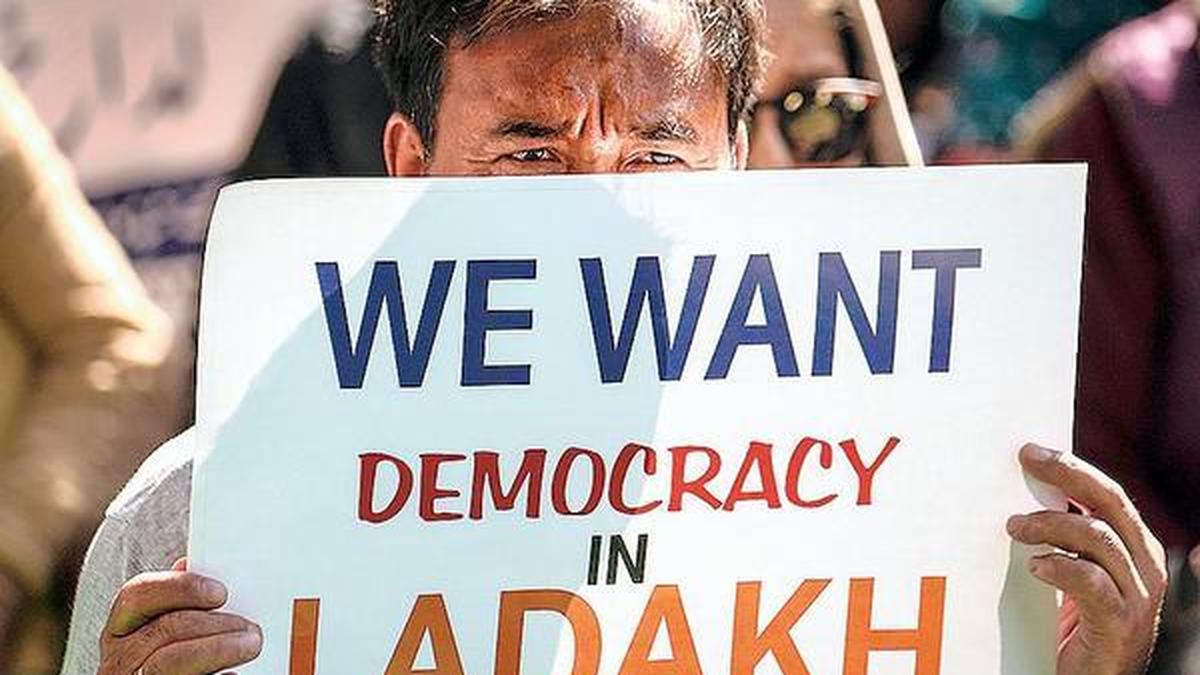
Representatives of major civil society organisations in Ladakh submitted their core demands to senior federal and local government officials in Leh, escalating pressure on New Delhi to address longstanding regional grievances. The Ladakh Apex Body (LAB) and Kargil Democratic Alliance (KDA) presented the list during formal consultations with Ministry of Home Affairs functionaries and Chief Secretary Ladakh.
The submission underscores the persistent tensions over Ladakh's political status since its bifurcation from Jammu and Kashmir in 2019. Civil society groups have been demanding statehood for the union territory and the implementation of the Sixth Schedule provisions, which grant special protections and autonomy to tribal areas. These demands have become central to the region's political discourse over the past several years.
As part of their renewed advocacy efforts, the LAB and KDA declared September as 'Martyrs' Month' to commemorate those who died during the prolonged agitation. This move signals the organisations' commitment to sustaining pressure on the government while honouring the sacrifices made by activists who championed the cause.
Local observers noted that the formal submission of demands to federal officials represents an attempt to elevate the issue within government channels. The groups have maintained that their core points remain non-negotiable, suggesting limited flexibility on key constitutional and administrative reforms sought by Ladakh's population.
The development comes amid broader efforts by Ladakh's civil society to keep regional demands in focus at the national level, particularly as the government evaluates administrative arrangements in the union territory.