World · India Bureau
Ladakh's bounty reaches Indian consumers through food, beverages and textiles
Products from India's high-altitude region are gaining traction in mainstream markets, with Ladakh-sourced ingredients and handicrafts now available to consumers across the country. From organic apricots to traditional woolens, the region's offerings are diversifying retail shelves.
LSN India ·
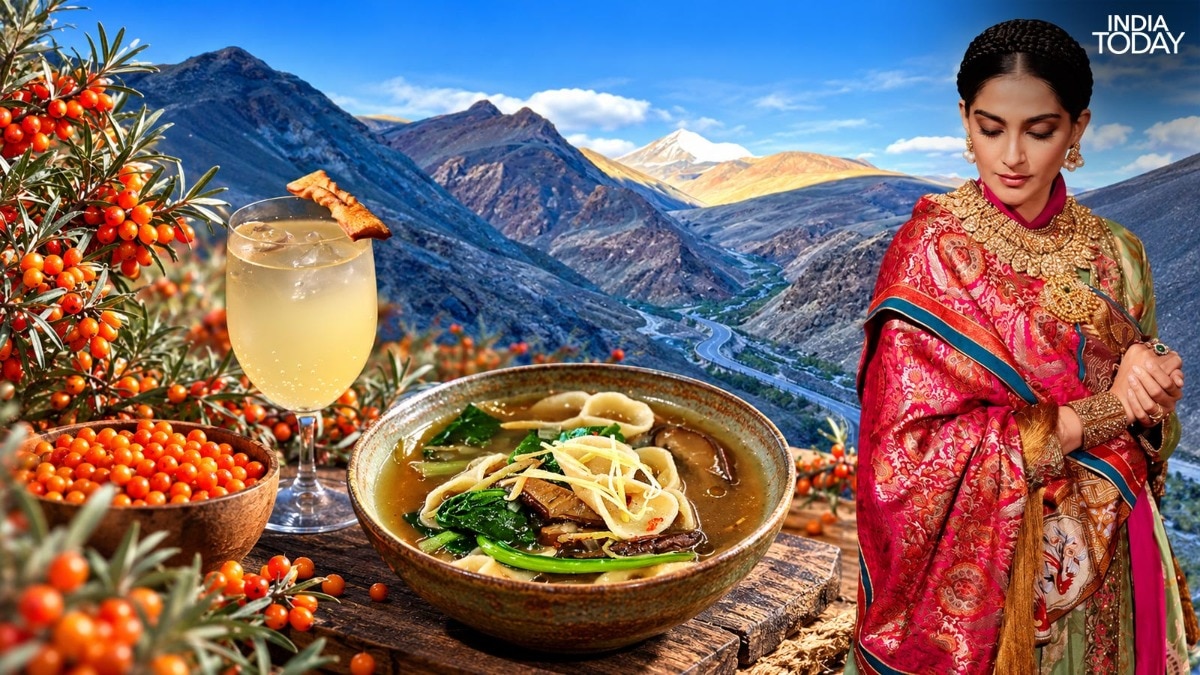
Ladakh's agricultural and artisanal products are making their way into Indian households with increasing frequency, as efforts to promote the region's unique commodities gain momentum. The mountainous terrain, once known primarily for its tourism appeal, is now establishing itself as a source of distinctive food items, traditional beverages, and handcrafted textiles that cater to growing consumer interest in regional and organic products.
Local apricots, sea buckthorn derivatives, and traditionally-prepared beverages from Ladakh are entering retail chains and e-commerce platforms, capitalizing on demand for products with geographical authenticity. These items, cultivated or produced in the region's challenging high-altitude environment, are marketed with emphasis on their purity and nutritional benefits, appealing to health-conscious consumers seeking alternatives to mass-produced goods.
Simultaneously, Ladakh's textile heritage is experiencing renewed attention, with traditional weaving practices producing woolens and garments that reflect centuries-old craftsmanship. These products, manufactured using locally-sourced materials and time-honored techniques, are reaching fashion-conscious consumers seeking distinctive and culturally significant clothing options.
The broader strategy to integrate Ladakh's products into national markets represents efforts to support local economies while providing consumers with access to goods that combine cultural significance with functional quality. Industry observers note that such initiatives can create sustainable income streams for artisans and farmers while strengthening consumer awareness of India's regional diversity.