Culture & Entertainment · India Bureau
Lahore's air quality rivals Delhi's as South Asia grapples with smog
Pakistan's Punjab capital has matched Delhi's hazardous pollution levels, with officials pointing to cross-border factors and seasonal burning. The annual smog crisis continues to affect millions across the Indo-Pak region.
LSN India ·
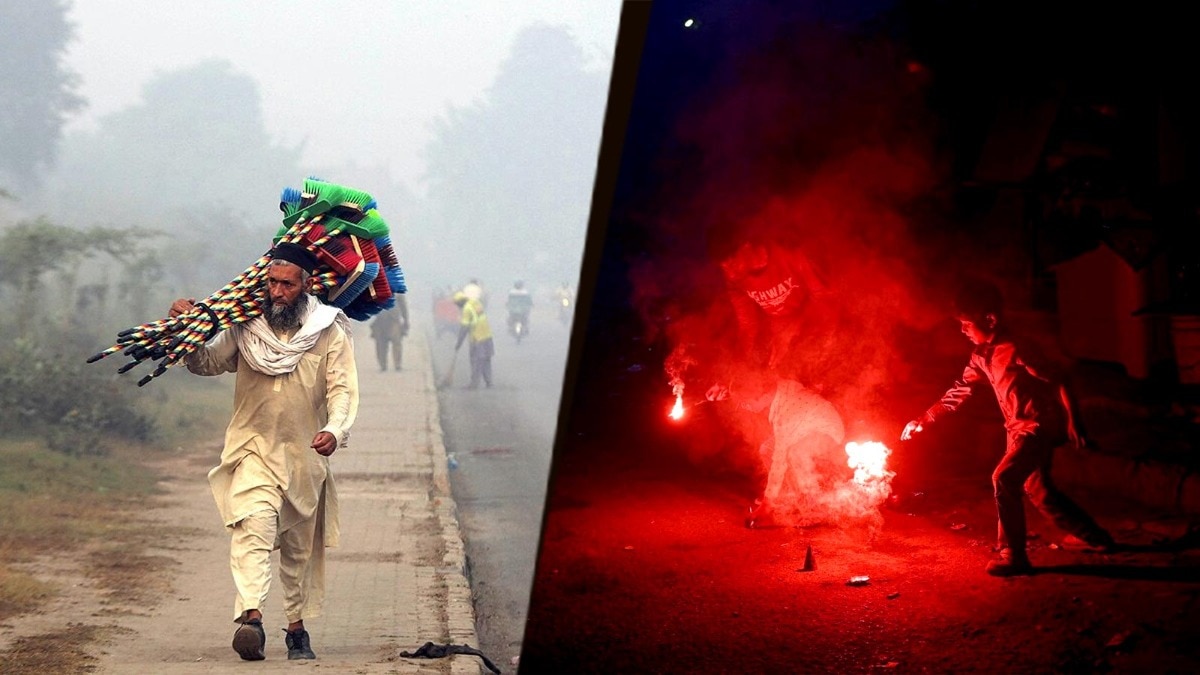
Lahore's air quality index has reached alarming levels comparable to Delhi's, marking a concerning development in the annual pollution crisis that engulfs South Asia as winter approaches. Both cities have recorded hazardous air quality readings, with particulate matter concentrations far exceeding safe limits set by health authorities.
The simultaneous deterioration of air quality in both metropolitan areas underscores the transnational nature of the region's environmental challenges. Officials in Pakistan have attributed worsening conditions to agricultural burning in neighbouring Indian states, particularly pointing to celebrations involving firecrackers. Meanwhile, local factors including vehicular emissions, industrial pollution, and weather patterns that trap pollutants near ground level compound the problem in both nations.
Environmental experts warn that the annual smog cycle, which typically intensifies between October and January, poses significant health risks to hundreds of millions of residents. Respiratory ailments, eye irritation, and cardiovascular complications spike during this period, straining healthcare systems across the region. Schools in both cities have frequently suspended outdoor activities, and vulnerable populations have been advised to remain indoors.
The cross-border pollution phenomenon highlights the need for coordinated environmental policies between India and Pakistan. Experts advocate for joint monitoring mechanisms, regulations on agricultural burning, and stricter emission standards for vehicles and industries. Until now, diplomatic tensions have hindered collaborative efforts to address the crisis that affects the world's most densely populated regions.