Business · World News Bureau
Lajee Celtic marks decade as symbol of Palestinian resistance through sport
The football club established in a West Bank refugee camp has evolved into a global movement, attracting international supporters including former Manchester United star Eric Cantona. Through sport, Lajee Celtic has transformed community identity in Aida camp while building networks of solidarity across continents.
LSN World News ·
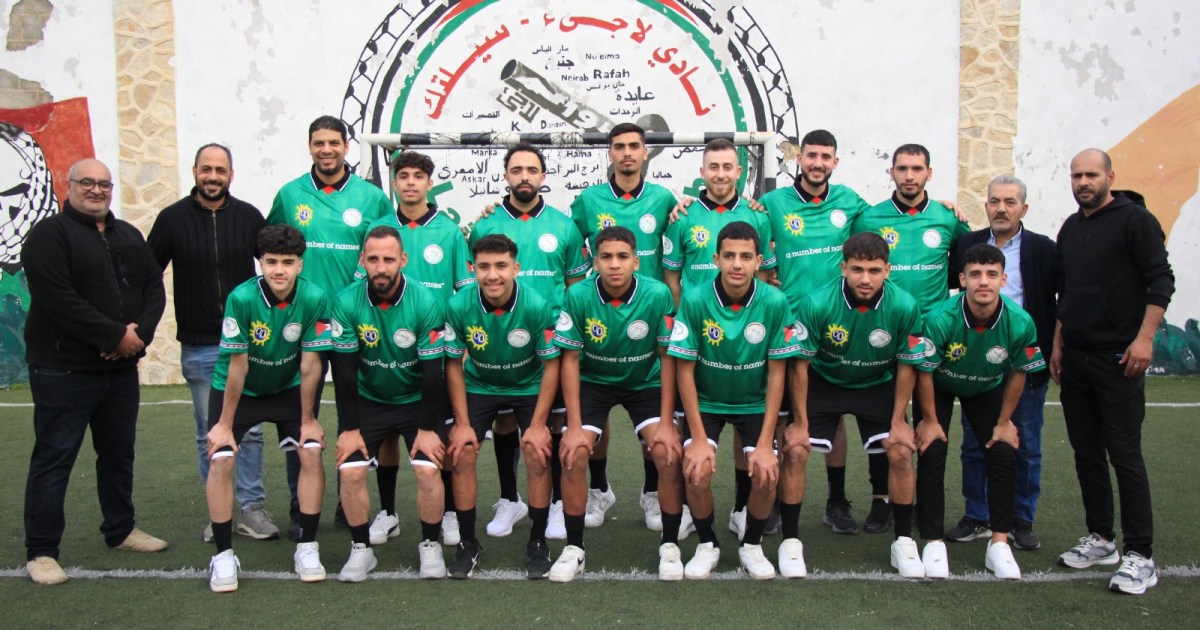
Lajee Celtic, founded a decade ago in the Aida refugee camp near Bethlehem, represents an unconventional approach to resistance and community building in the occupied Palestinian territories. The club has transcended its origins as a local sporting initiative to become a symbol of Palestinian determination and cultural expression, drawing international attention and support.
Based in one of the West Bank's largest refugee camps, Lajee Celtic has used football as a vehicle for social cohesion and political awareness among Palestinian youth. The club's activities extend beyond competitive matches to encompass community programs, cultural events, and advocacy initiatives that address the daily realities of camp residents. This multifaceted approach has resonated with supporters worldwide, including prominent international figures from the sports and entertainment industries.
The club's growing profile reflects broader trends in how marginalized communities leverage grassroots sports initiatives to maintain cultural identity and assert agency. Lajee Celtic's success in attracting international solidarity demonstrates the universal appeal of sport as a medium for bridging political and geographical divides. The organization has established partnerships and support networks across Europe and beyond, creating a platform for Palestinian voices and experiences.
As the club marks ten years of operation, it continues to navigate the complexities of operating within occupied territory while maintaining its commitment to community development. The international recognition garnered by Lajee Celtic underscores how local initiatives can catalyze broader conversations about rights, representation, and the role of sport in areas of conflict.