World · India Bureau
Lake cleanup removes wood debris; fish population crashes dramatically
A large-scale environmental intervention to remove accumulated logs from a lake has had unexpected consequences, with the yellow perch population plummeting by nearly complete disappearance within two years of the cleanup effort.
LSN India ·
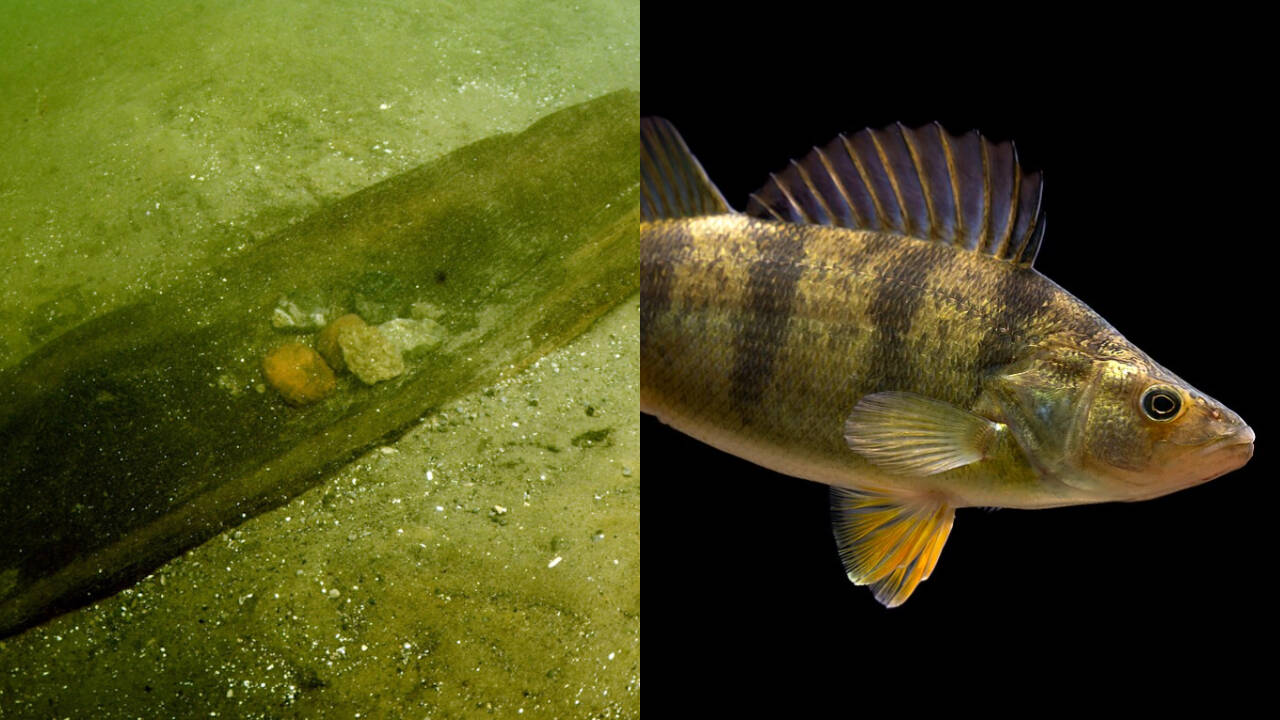
Scientists conducting a major ecological restoration project removed approximately 70 percent of woody debris from a lake, only to witness an unforeseen ecological collapse in the following two years. The yellow perch population, which had previously sustained itself in the aquatic ecosystem, experienced a near-total decline following the intervention.
The removal of submerged logs, undertaken as part of habitat improvement efforts, appears to have eliminated critical ecological structures that supported the fish population. These woody materials provide essential shelter, spawning grounds, and feeding areas for various aquatic species, including the yellow perch that once thrived in the lake.
The case highlights the complex interdependencies within aquatic ecosystems and raises important questions about large-scale environmental interventions. While the removal of excessive debris can improve water quality and visibility, the wholesale elimination of woody structures—often considered "dead wood" by some management approaches—can have severe unintended consequences for fish populations and overall biodiversity.
The findings underscore the importance of comprehensive ecological assessment before implementing restoration projects. Scientists now emphasize that future interventions must carefully balance competing objectives, ensuring that habitat enhancement does not inadvertently destroy the natural structures upon which aquatic life depends. The incident serves as a cautionary example for environmental management strategies across the region.