World · India Bureau
Lalit Modi's British citizenship raises questions on India extradition prospects
Former IPL chief Lalit Modi has acquired British citizenship, prompting legal speculation about whether India can still pursue extradition proceedings against him. Experts weigh the implications of his change in citizenship status.
LSN India ·
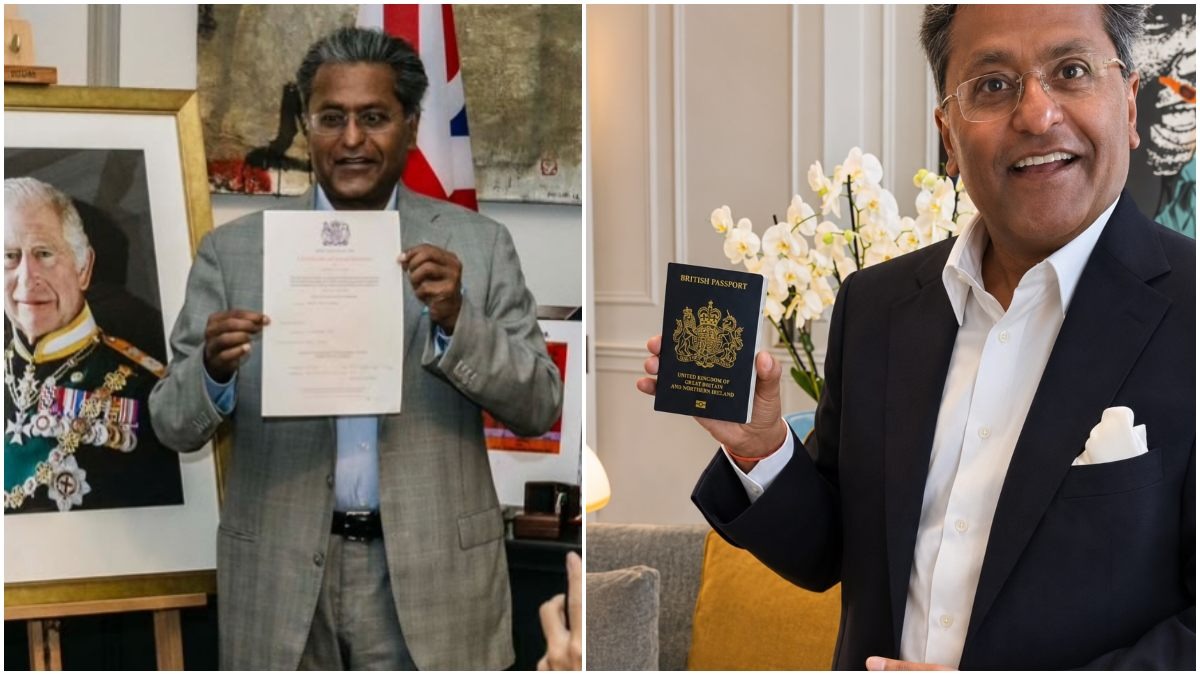
Lalit Modi, the former chairman of the Indian Premier League, has obtained British citizenship, a development that has sparked debate about the legal ramifications for ongoing cases against him in India.
Modi has faced allegations related to financial irregularities and tax matters in India. His acquisition of British citizenship raises questions about whether such a status change affects extradition treaties and India's ability to bring him back to face legal proceedings.
Under international extradition law, citizenship status alone does not provide absolute immunity from extradition. India and Britain maintain extradition treaties that permit the surrender of individuals regardless of their citizenship, provided specific legal conditions are met. However, many countries, including Britain, have constitutional provisions or policy considerations that may complicate extradition of their own nationals.
Legal experts note that the viability of any extradition request depends on multiple factors including the nature of charges, evidence available, and the specific terms of bilateral agreements. The British government would need to evaluate each request independently based on established legal frameworks.
Modi has previously contested charges against him in India and had relocated abroad. His British citizenship acquisition adds a new dimension to the ongoing legal complexities surrounding his cases.