World · Singapore Bureau
Language barriers hinder police investigations of foreigners in South Korea
Communication gaps between South Korean police and foreign nationals are complicating criminal investigations and questioning procedures. The issue extends well beyond emergency response to formal interrogations at police stations.
LSN Singapore ·
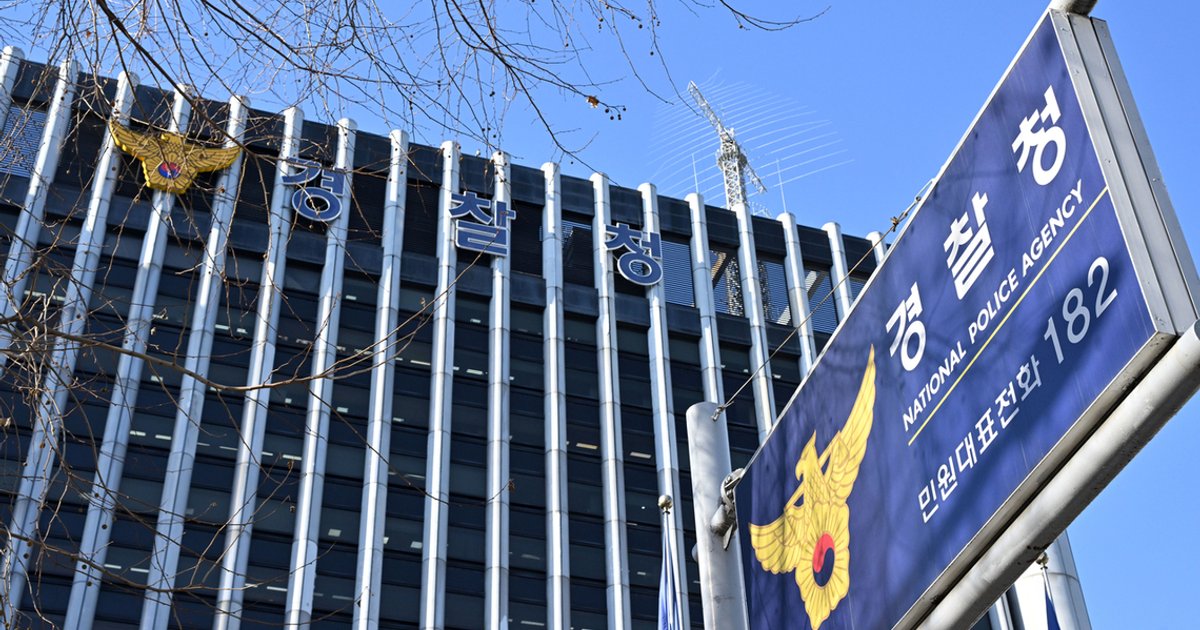
South Korea's law enforcement agencies face mounting challenges in conducting effective investigations involving foreign residents and visitors due to insufficient language interpretation services. The problem extends across multiple stages of police work, from initial emergency responses to detailed questioning sessions at local police stations.
Foreigners attempting to report crimes or assist in investigations frequently encounter difficulties articulating their accounts in Korean, while police officers often lack adequate English proficiency or access to qualified interpreters. This communication breakdown can result in misunderstandings, incomplete information gathering, and potential compromises to investigative integrity.
The gaps in interpretation services raise concerns about the quality and fairness of police interactions with non-Korean speakers. During formal questioning, procedural information, legal rights, and case details may be lost or distorted in translation, potentially affecting case outcomes and the rights of foreign nationals within the justice system.
The issue highlights a broader need for South Korean authorities to develop more robust language support infrastructure. Consistent access to professional interpreters and standardized protocols for handling foreign nationals could improve both police effectiveness and public confidence in law enforcement's ability to serve diverse communities equitably.