World · Bangladesh Bureau
Language barriers, legal obstacles complicate cases of migrant workers abroad
Migrant workers facing legal troubles in foreign countries often struggle with language barriers, lack access to proper legal representation, and encounter difficulties in repatriating remains of deceased workers to their home countries.
LSN Bangladesh ·
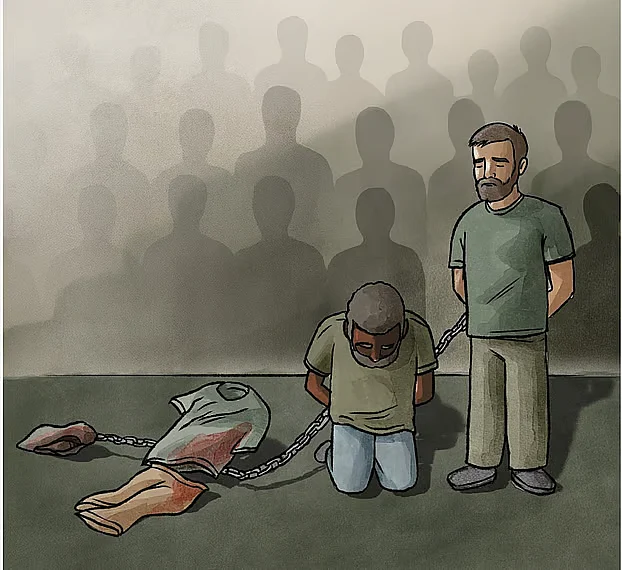
Migrant workers employed abroad confront significant challenges when entangled in legal disputes or criminal cases, according to concerns raised by labor rights advocates and diplomatic observers. The inability to communicate in local languages leaves many workers vulnerable during investigations and court proceedings, while access to qualified legal counsel remains limited in many jurisdictions.
The situation becomes more dire when migrant workers die while abroad. Families and authorities struggle to navigate bureaucratic procedures for identifying remains and arranging repatriation. Documentation issues, disagreements over cause of death, and administrative delays often prevent bodies from being returned to their home countries for proper funeral rites, leaving families in prolonged uncertainty.
For Bangladesh, which sends hundreds of thousands of workers to countries across the Middle East, Southeast Asia, and beyond, these issues represent a persistent concern. While diplomatic missions attempt to provide consular assistance, resources are often stretched thin, and the scale of cases exceeds available support infrastructure.
Workers' advocacy groups have urged sending countries to establish stronger legal aid frameworks, improve consular services, and negotiate bilateral agreements ensuring faster repatriation procedures and better protection of migrant workers' rights. Training programs teaching workers about their legal entitlements before deployment have also been recommended as part of a comprehensive approach to safeguarding vulnerable migrant populations.