World · Singapore Bureau
Laos emerges as renewable energy hub powering Southeast Asian demand
Chinese-built wind turbines dotting Laos's mountainous terrain are increasingly supplying clean energy to neighbouring Vietnam as the region seeks to meet growing electricity demands. The development marks a significant shift in how Southeast Asian nations are addressing energy security and climate concerns.
LSN Singapore ·
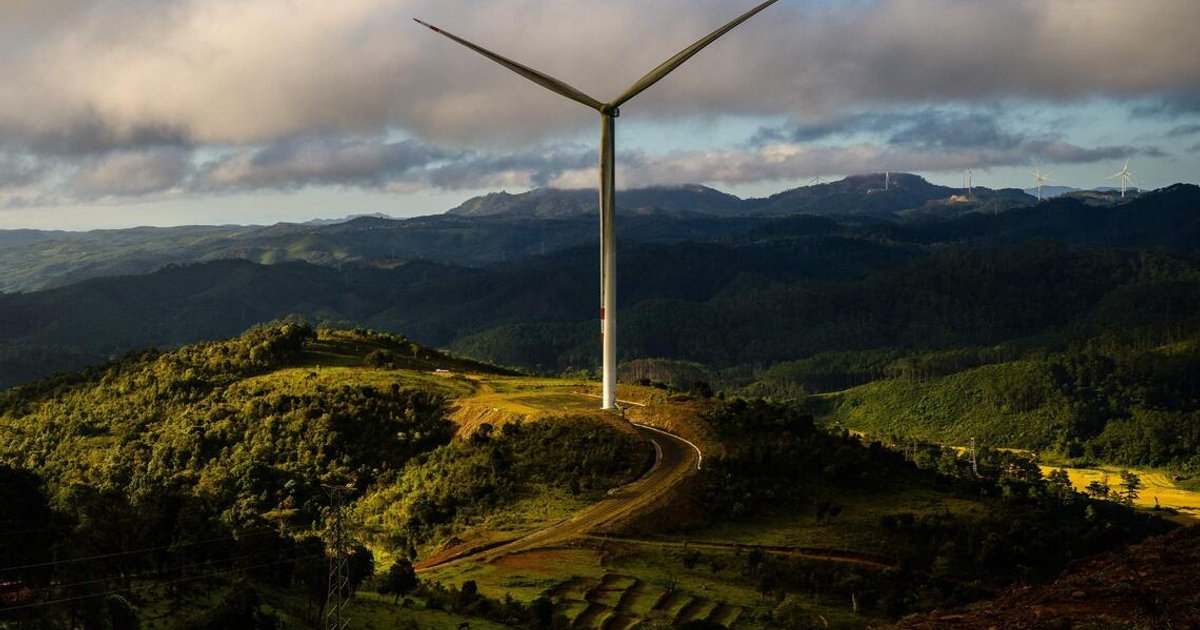
Wind farms rising across Laos's remote highlands represent a growing trend in the region's renewable energy transition, with Vietnamese power grids benefiting substantially from cross-border electricity flows. The installations, predominantly financed and constructed by Chinese companies, tap into the landlocked nation's abundant wind resources to generate power for export to more densely populated neighbours.
Laos has positioned itself as a crucial energy supplier in Southeast Asia, leveraging its geographic advantages and natural resources. The wind projects complement existing hydroelectric infrastructure, creating a diversified renewable portfolio that supports regional economic development while reducing reliance on fossil fuels.
The cross-border energy arrangement highlights how Southeast Asian nations are increasingly interconnecting their power systems to optimise resource distribution. Vietnam's rapid industrial expansion and urbanisation have driven substantial electricity demand, creating opportunities for neighbouring countries to supply clean energy and generate revenue.
China's prominent role in financing and developing Laos's renewable infrastructure underscores Beijing's strategic involvement in regional energy projects. This involvement extends beyond wind power, as Chinese investment continues shaping the broader energy landscape across Southeast Asia.
As regional governments intensify efforts to meet climate commitments and ensure energy security, similar renewable infrastructure projects are expected to expand across the subcontinent. Laos's renewable energy sector demonstrates how developing nations can monetise natural advantages while contributing to the region's transition toward sustainable power generation.